Delphi

Delphi Travel Guide – The Legendary Oracle of Ancient Greece

Delphi is one of the most fascinating historical destinations in Greece and one of the country’s most important archaeological sites. Located on the slopes of Mount Parnassus in central Greece, Delphi was considered by the ancient Greeks to be the centre of the world, symbolised by the sacred stone known as the Omphalos.

In antiquity, Delphi was famous for the Oracle of Delphi, where pilgrims from across the Mediterranean came to consult the priestess Pythia for guidance from the god Apollo.

Today, Delphi is a UNESCO World Heritage Site and one of the most popular cultural destinations in Greece, attracting visitors who want to experience its remarkable ruins, stunning mountain scenery, and rich mythology.

Why Visit Delphi?

Delphi combines ancient mythology, spectacular landscapes, and archaeological treasures, making it one of the most rewarding destinations in mainland Greece.

Highlights include:

  • The Temple of Apollo, where the famous oracle delivered prophecies

  • The Sacred Way, the path ancient pilgrims followed to reach the sanctuary

  • The Ancient Theatre of Delphi, offering incredible views over the valley

  • The Delphi Stadium, where the Pythian Games were held

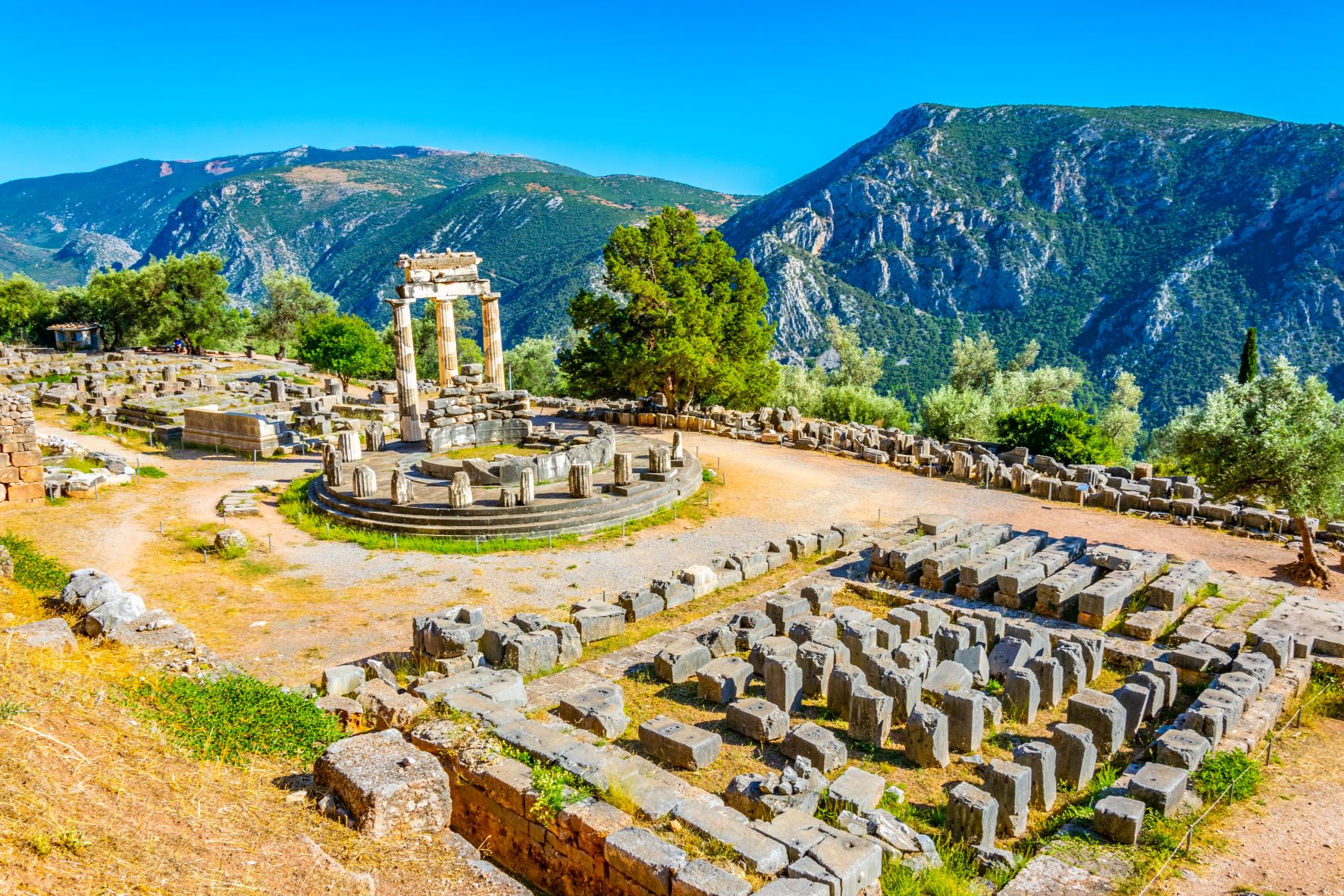
  • The impressive Tholos of Athena Pronaia, one of the most photographed monuments in Greece

These monuments show how Delphi served as a religious and cultural centre for the entire ancient Greek world.

Delphi is one of the most inspiring historical destinations in Greece.

Combine your visit with a trip to the breathtaking monasteries of Meteora for an unforgettable cultural journey.

✔ Discover the legendary Oracle of Delphi
✔ Explore the Temple of Apollo and ancient monuments
✔ Visit the spectacular monasteries of Meteora

Discover our multi-day tours combining Delphi and Meteora

Featured tours

Things to See in Delphi

History of Delphi

The history of Delphi stretches back thousands of years. Archaeological evidence suggests the area was already inhabited during the Mycenaean period (around 1600–1100 BC).

By the 8th century BC, Delphi had developed into a major religious sanctuary dedicated to the god Apollo. The site became famous throughout the ancient world thanks to the Oracle of Delphi, whose priestess Pythia delivered prophecies believed to be inspired by the gods.

City-states, rulers, and ordinary people traveled to Delphi to seek advice on political decisions, wars, and colonization. The sanctuary also hosted the Pythian Games, one of the most important athletic and cultural events in ancient Greece.

Although Delphi declined during the Roman and early Christian periods, its archaeological remains remain among the most impressive ancient sites in Greece today.

Delphi Archaeological Museum

The Delphi Archaeological Museum houses some of the most important artifacts discovered at the site, including the famous Charioteer of Delphi, one of the best-preserved bronze statues from ancient Greece.

Official site information:
https://delphi.culture.gr

Useful Information

  • Location: Delphi is located about 2.5 hours northwest of Athens, on the slopes of Mount Parnassus, overlooking the Gulf of Corinth.
  • Archaeological Site Hours: The Ancient Site of Delphi and the Archaeological Museum usually operate from morning until late afternoon. Hours may vary seasonally, so it’s best to check in advance.
  • Best Time to Visit: Spring (April–June) and autumn (September–October) offer mild weather and fewer visitors. Summer can be hot, especially when walking uphill through the ruins.
  • Terrain & Walking: The archaeological site is built on a mountainside with steep paths and uneven ancient stones. Comfortable walking shoes are essential.
  • What to Bring: Sun protection (hat, sunscreen, sunglasses) is highly recommended, particularly in summer. Carry water, as exploring the site involves significant walking.
  • Dress Code: There is no strict dress code for the archaeological site, but respectful attire is recommended when visiting nearby monasteries or churches.
  • Museum Visit: The Delphi Archaeological Museum is located next to the site and houses important artifacts, including the famous Charioteer of Delphi. Allow extra time to explore it.
  • Village of Delphi: The modern town offers traditional tavernas, cafés, and small shops with views of the valley — perfect for a relaxed lunch after your visit.
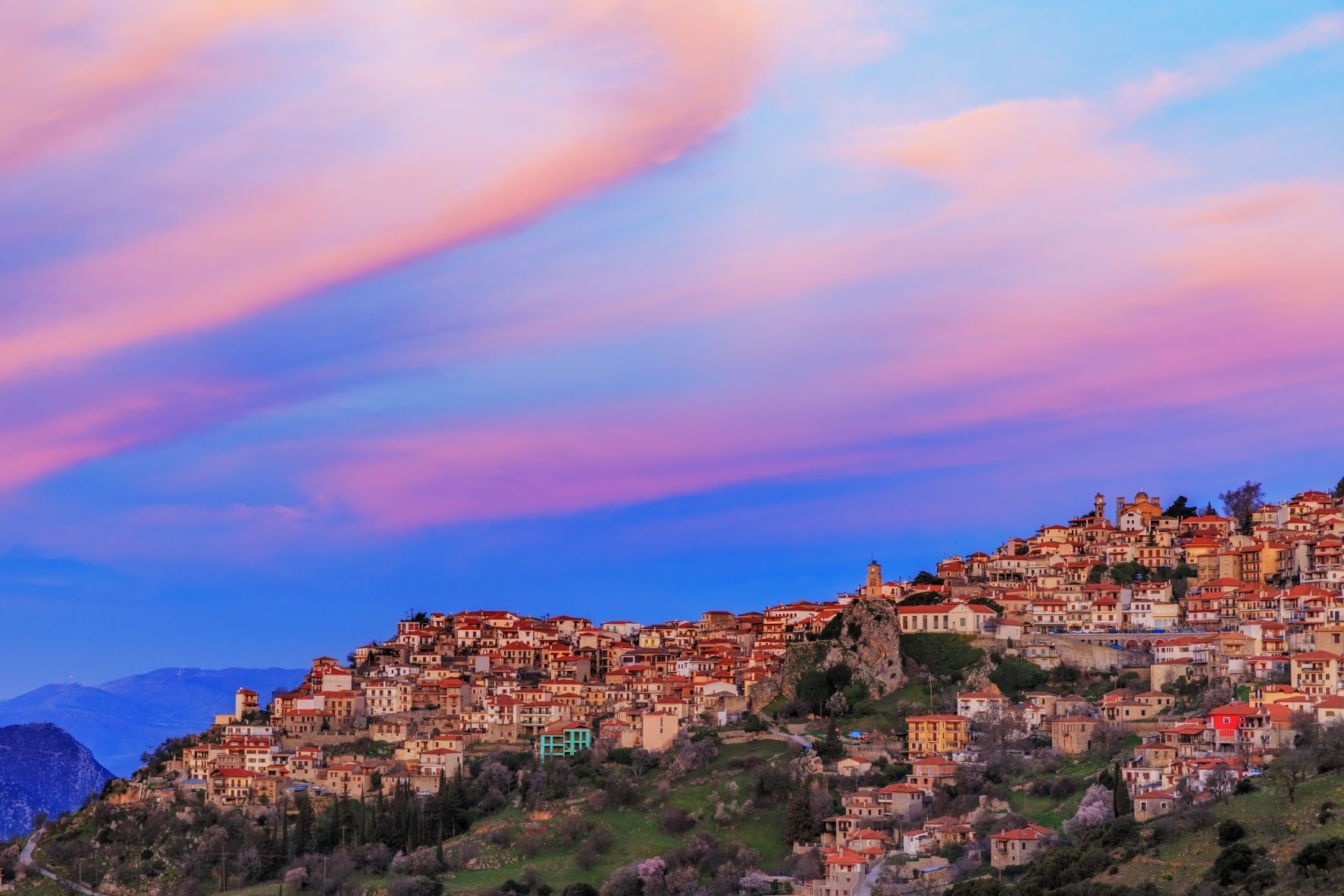
  • Nearby Highlights: Popular nearby stops include the Sanctuary of Athena Pronaia (with the iconic Tholos), Arachova village, and the Hosios Loukas Monastery (UNESCO-listed).
  • Accessibility: Due to the steep terrain and ancient pathways, parts of the site may be challenging for visitors with mobility limitations.

How to Visit Delphi and Meteora from Athens

Journey to Delphi, once considered the center of the world in ancient Greece. Our private and small-group tours offer flexible sightseeing, expert guides, and seamless transport—whether you’re staying in Athens or passing through Meteora. Stand where history and mystery merge.
230 €

3-Day Meteora and Delphi Tour from Athens

Book Now
220 €

2-Day Tour to Delphi and Meteora

Book Now
240 €

4 Days Tour from Athens to Meteora and Delphi

Book Now
1675 €

2-day Private Tour from Athens to Delphi and Meteora

Book Now
125 €

Delphi Full Day Tour from Athens

Book Now
260 €

Private transfer between Delphi and Meteora

Book Now
680 €

Private transfer between Athens and Meteora via Delphi

Book Now
280 €

Private transfer between Athens and Delphi

Book Now
65 €

Shared Transfer Between Delphi And Meteora

Book Now

Delphi & Archaeological Museum – Visitor FAQ

Delphi is situated on the southern slopes of Mount Parnassus in central Greece, approximately 180 km northwest of Athens. It is accessible by car or bus via the Arachova-Amphissa-Itea road.

In ancient Greek mythology, Delphi was considered the “navel of the world,” the center of the earth. It housed the Oracle of Apollo, where the Pythia, a priestess, delivered prophecies that influenced major decisions across the ancient Greek world.

  • Temple of Apollo: The central sanctuary where the Oracle delivered prophecies.
  • Theatre: An ancient venue with a seating capacity of 5,000 spectators.
  • Stadium: Used for the Pythian Games, second only to the Olympics.
  • Treasury of the Athenians: A Doric-style building displaying Athenian victories.
  • Tholos of Athena Pronaia: A circular structure with a mysterious purpose.

The museum showcases artifacts from the sanctuary, including:

  • Charioteer of Delphi: A bronze statue from the 5th century BC.
  • Siphnian Treasury Frieze: Detailed sculptural reliefs.
  • Sphinx of Naxos: A monumental marble statue.
  • Chryselephantine statues: Gold and ivory depictions of Apollo, Artemis, and Leto.
  • Dancers of Delphi: High-relief figures atop an acanthus column.

Opening Hours:

  • Winter (Nov–Mar): 08:30–15:30
  • Summer (Apr–Oct): 08:00–19:30

Ticket Prices:

  • Full: €20
  • Reduced: €10 (EU seniors over 65)
  • Free: EU citizens under 25 (with ID)

Free Admission Days:

  • 6 March (Melina Mercouri Day)
  • 18 April (International Monuments Day)
  • 18 May (International Museums Day)
  • Last weekend of September (European Heritage Days)
  • 28 October (National Holiday)
  • First Sunday of each month from Nov–Mar

Yes, a special vehicle is available to transport visitors with mobility impairments up to the Temple of Apollo. Advance notice is required at least 7 days before the visit.

🌄 Plan Ahead, Save More on Your 2026 Meteora Adventure!

Book your 2026 trip to Meteora today and enjoy up to 10% off our award-winning tours and stays. Lock in your preferred dates before they sell out — early birds always fly higher!

Use code EARLYBIRD26 at checkout 🏷️

Offer Conditions:
Valid on selected tours, trips, and activities scheduled to depart between 1 January 2026 and 31 December 2026. The offer does not apply to bookings with start dates from 1 April 2026 to 12 April 2026. Availability is limited and subject to change without notice.