Meteora Travel Guide

Meteora Greece: What to See, Do and Know Before You Visit

Meteora is one of Greece’s most extraordinary destinations, known for its towering rock pillars, centuries-old monasteries and breathtaking panoramic landscapes.

The essential sights include the six active Meteora monasteries, the main viewpoints, the hermit caves, the villages of Kastraki and Kalambaka, and the historic hiking trails winding through the rocks.

How much time do you need?

One full day is enough to experience the main highlights. Two days allow time for sunset, hiking, local villages and quieter monastery visits without rushing.

Discover Meteora

Experience Meteora Before You Arrive

Take a cinematic journey through Meteora's breathtaking landscapes, centuries-old monasteries, authentic villages and unforgettable outdoor adventures. Discover why this UNESCO World Heritage Site is one of Greece's most extraordinary destinations.
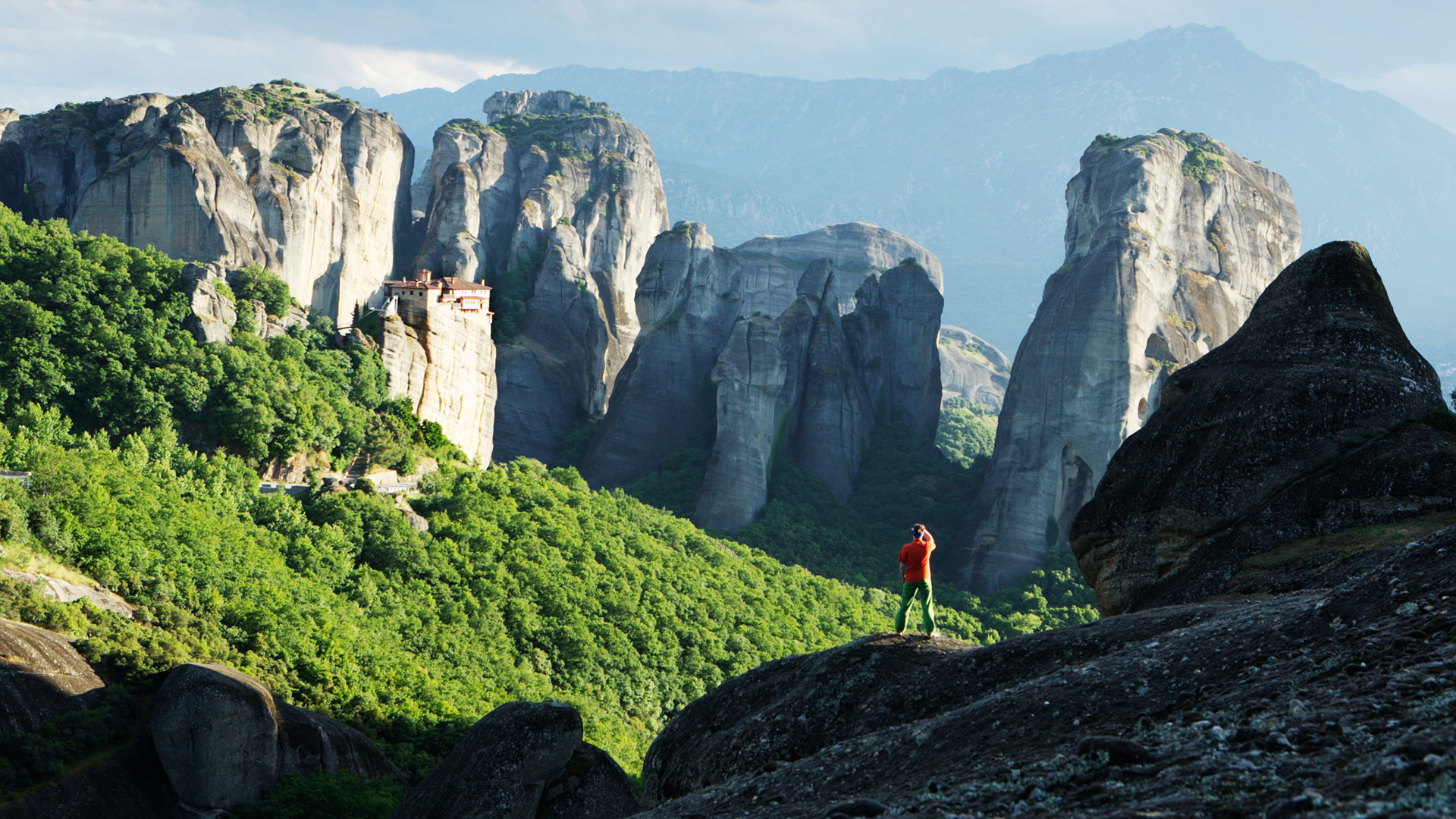
UNESCO World Heritage Site

Six Monasteries.
One Extraordinary Landscape.

Perched high above the Thessalian plain, the monasteries of Meteora have stood for centuries as symbols of faith, resilience and architectural ingenuity.

Explore the Area

Meteora Map

Use the interactive map to locate the six monasteries, Kalambaka, Kastraki and the most important viewpoints and attractions around Meteora before planning your visit.

Experience Meteora

More Than Just Monasteries

From dramatic landscapes and ancient trails to authentic villages and outdoor adventures, Meteora invites you to experience much more than its iconic monasteries.

Discover Things to Do
Experiences

Things to Do in Meteora

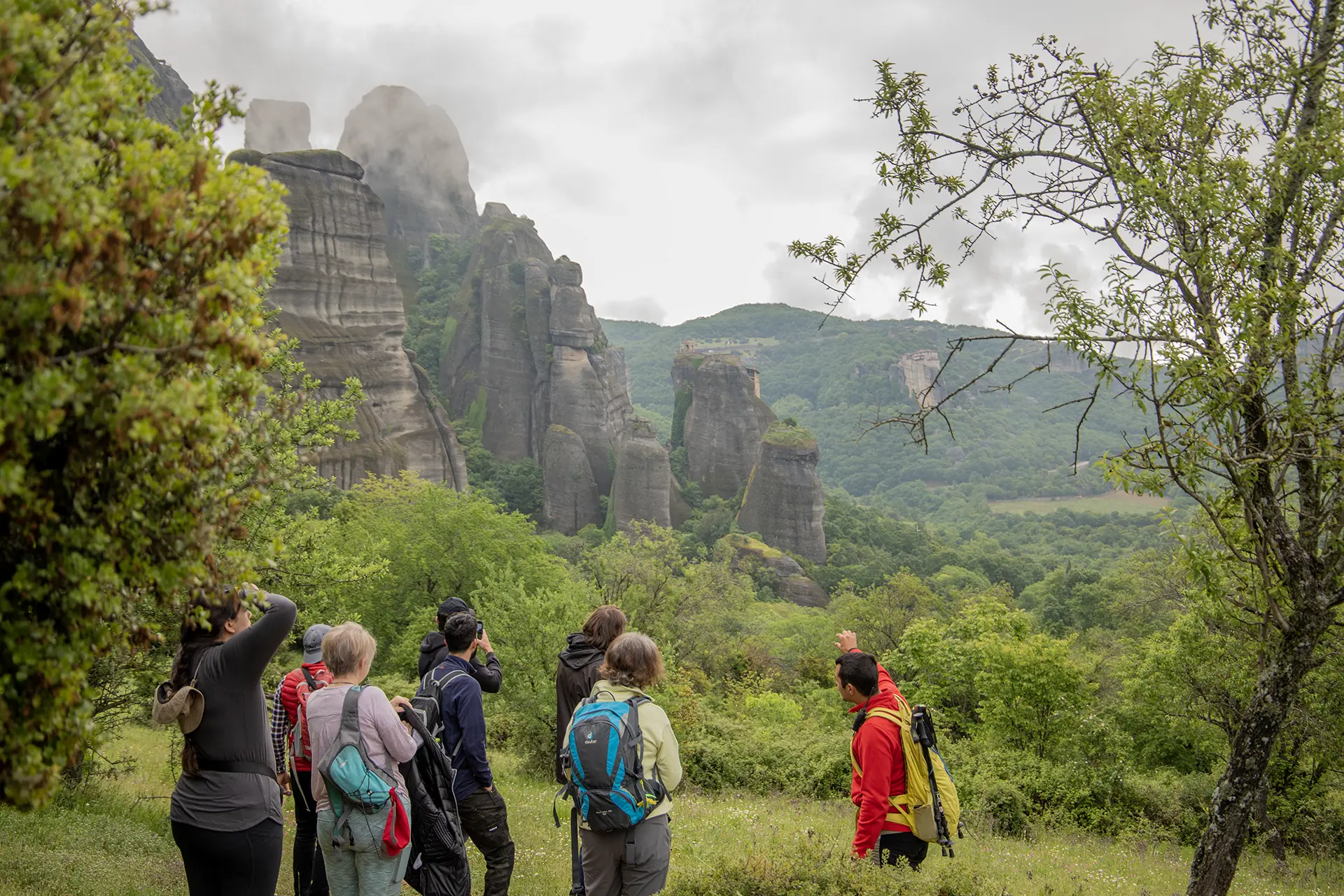
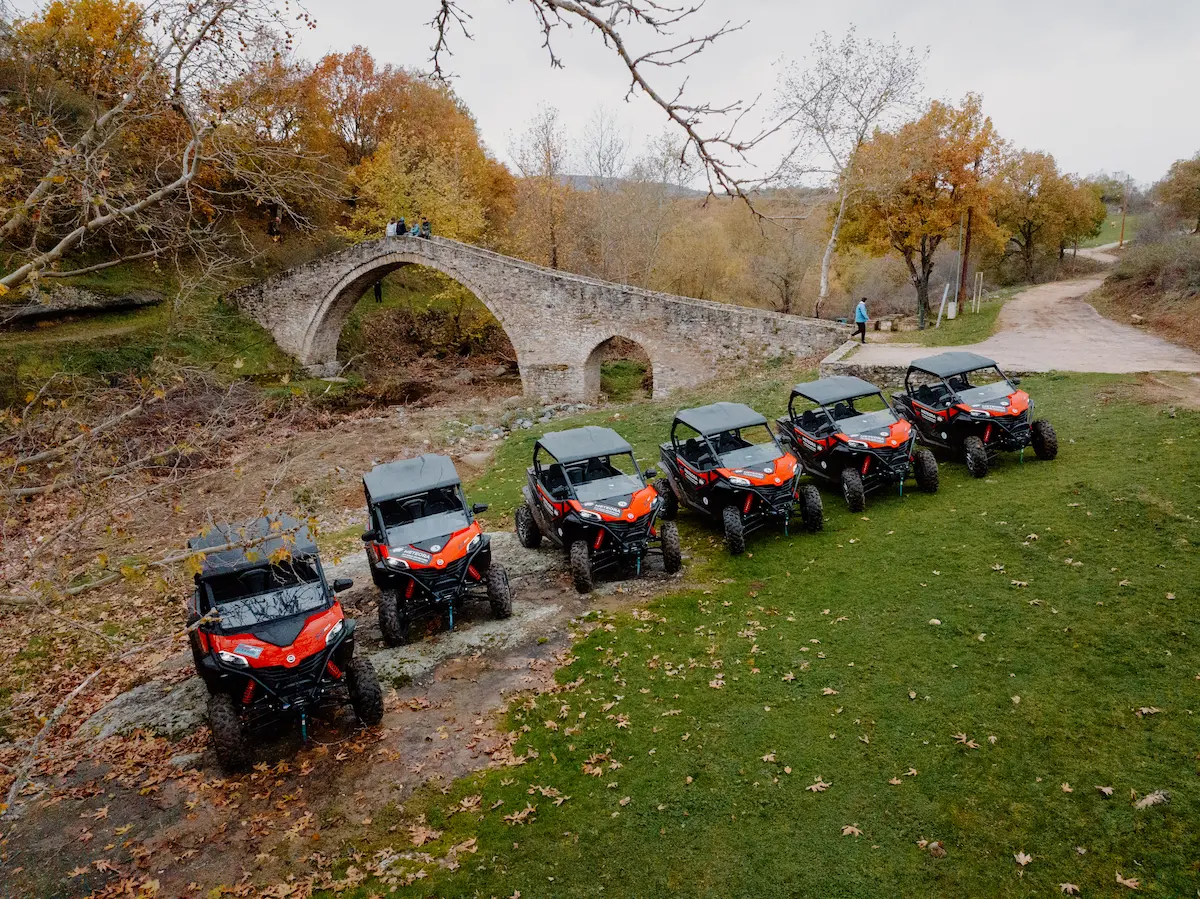
Explore Meteora through guided monastery tours, ancient hiking trails, authentic local flavors and unforgettable outdoor adventures.
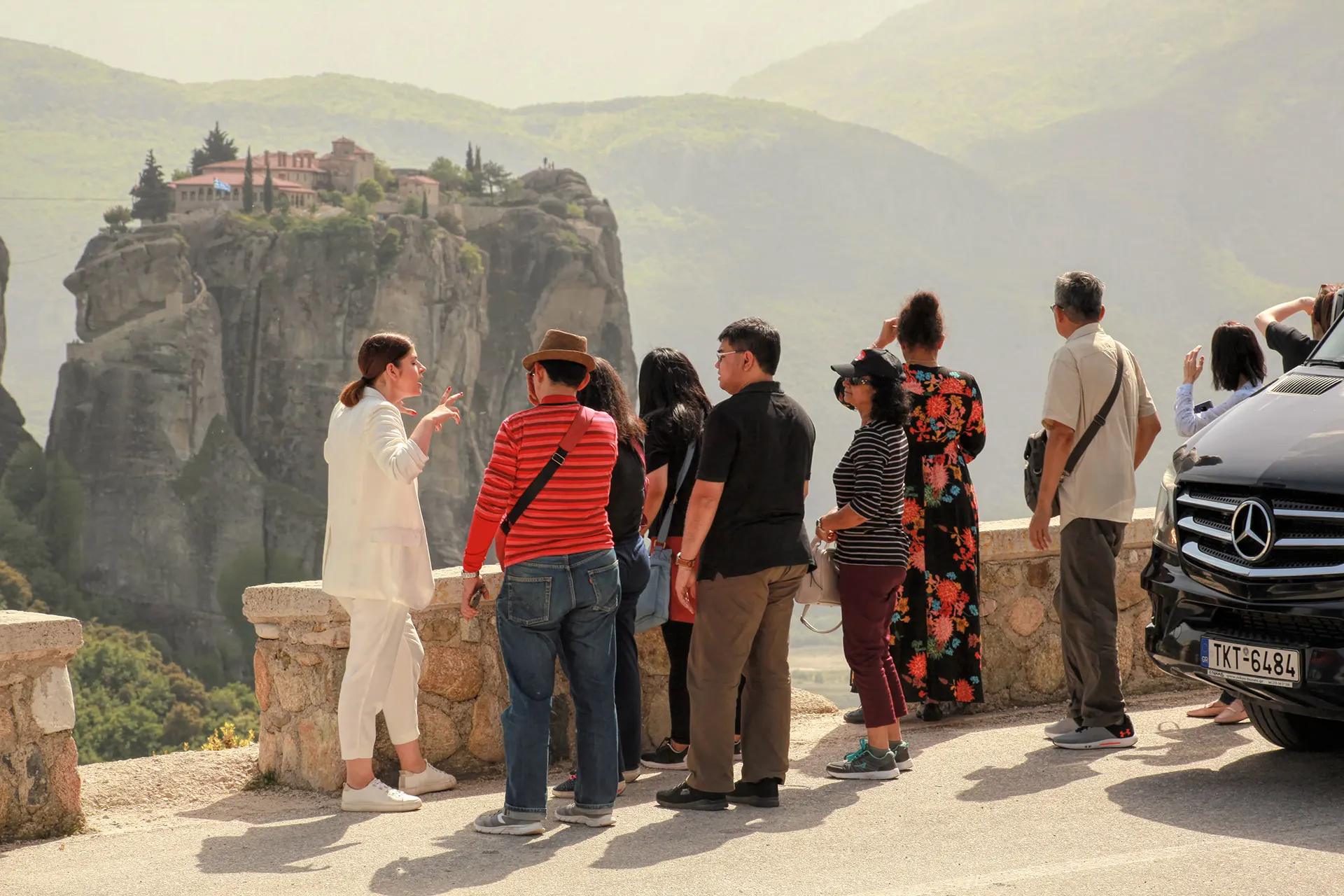
Discover Meteora

What Is Meteora?

Meteora is one of Greece's most extraordinary destinations, where breathtaking natural landscapes meet centuries of spiritual heritage. Rising dramatically above the Thessalian plain, its towering sandstone pillars and historic monasteries create one of the most iconic and unforgettable sights in Europe.

Recognized as a UNESCO World Heritage Site, Meteora is celebrated for both its exceptional geological formations and its profound cultural significance. The monasteries, built atop towering rock pillars between the 14th and 16th centuries, continue to preserve centuries of Orthodox tradition while welcoming visitors from around the world.

The name "Meteora" means "suspended in the air", perfectly describing the monasteries that appear to float above the dramatic cliffs. Today, Meteora is not only a place of pilgrimage but also one of Greece's most remarkable destinations for nature, history, culture and outdoor experiences.

6 Active Monasteries
24 Historic Monasteries Built
1988 UNESCO World Heritage Site
Millions Years of Geological History
The Story Behind Meteora

How Were the Meteora Rocks Formed?

Long before monasteries crowned the cliffs, nature spent millions of years shaping one of Europe's most extraordinary landscapes. Discover how geology transformed an ancient seabed into the towering rock pillars that define Meteora today.
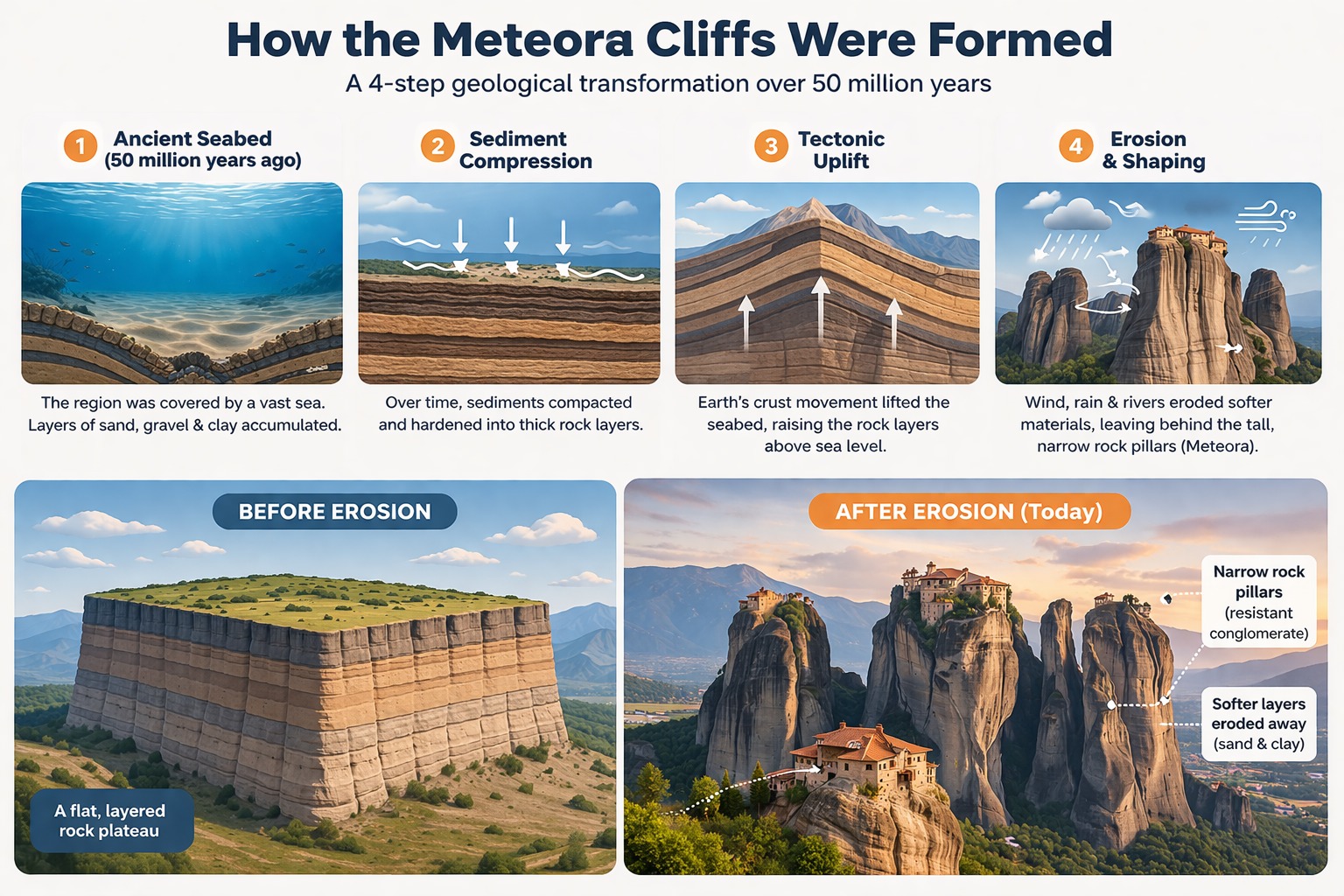
Illustration showing how the Meteora rock formations were created

Ancient Seabed

Millions of years ago, the region was covered by a vast prehistoric sea where layers of sand, gravel and clay gradually accumulated.

Rock Formation

Over time these sediments compressed and hardened into massive rock formations beneath the Earth's surface.

Tectonic Uplift

Movements of the Earth's crust lifted the ancient seabed above sea level, creating the foundations of today's landscape.

Natural Erosion

Wind, rain and rivers slowly sculpted the softer rock, leaving behind the dramatic sandstone pillars that make Meteora unique.

These extraordinary rock formations later became the perfect refuge for Orthodox monks seeking solitude. Between the 14th and 16th centuries, 24 monasteries were built atop the cliffs, transforming Meteora into one of the most important monastic communities of Eastern Orthodox Christianity. Today, the remaining monasteries continue to preserve centuries of history, art and spiritual tradition while overlooking one of Europe's most remarkable natural landscapes.

Visitor Information

Everything You Need Before You Visit

Planning ahead will help you enjoy a smoother visit to Meteora. Before you travel, check the latest monastery opening hours and take a moment to read our visitor guidelines.
Frequently Asked Questions

Meteora FAQ

Find quick answers to the most common questions about visiting Meteora, its monasteries and planning your trip.

What is Meteora famous for?

Meteora is famous for its towering sandstone rock formations and the six active monasteries built on their summits. Recognized as a UNESCO World Heritage Site, it is one of Greece's most iconic cultural and natural landmarks.

How many monasteries are there in Meteora?

There were originally 24 monasteries built on the cliffs of Meteora. Today, six remain active and welcome visitors throughout the year.

How much time do you need to visit Meteora?

One full day is enough to experience the main highlights. If you would like to visit more monasteries, enjoy hiking trails and explore the surrounding villages, two days are recommended.

Can you visit all six monasteries in one day?

Although it is technically possible, it is not recommended. Each monastery has different opening hours, and visiting all six can feel rushed. Most visitors choose two to four monasteries.

What should I wear when visiting the monasteries?

Visitors should wear modest clothing. Men are expected to wear long trousers, while women should wear skirts or dresses below the knee and keep their shoulders covered. Some monasteries provide skirts at the entrance if needed.

What is the best time to visit Meteora?

Spring (April to June) and autumn (September to November) offer pleasant weather, comfortable temperatures and fewer crowds. Early mornings and late afternoons are also ideal for photography.

Can you visit Meteora without a tour?

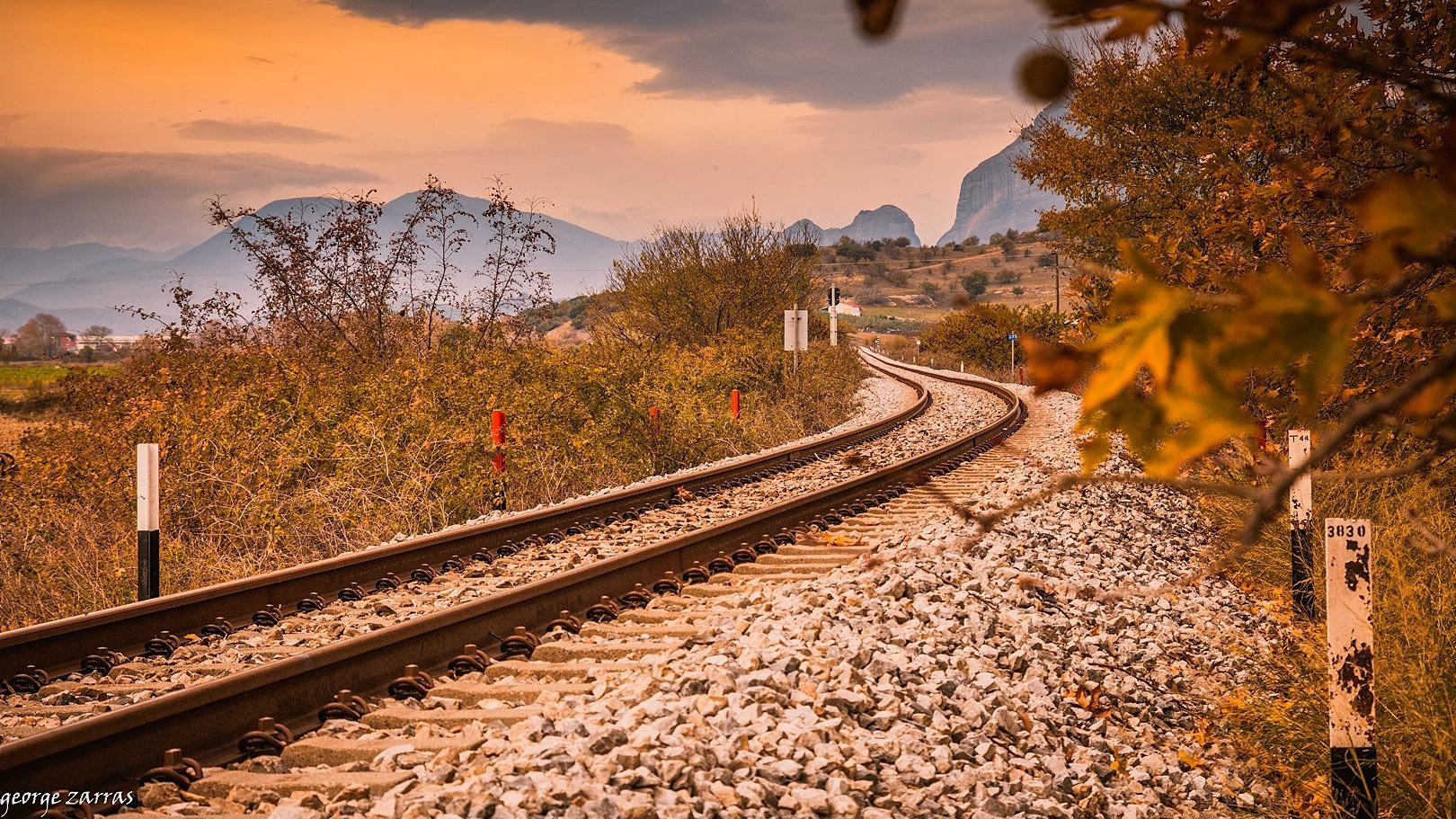
Yes. Meteora can be explored independently by car, train or bus. However, guided tours provide local insights, convenient transportation between monasteries and access to viewpoints that many independent visitors miss.

How do I get to Meteora from Athens?

You can reach Meteora from Athens by train, bus or rental car. Read our Athens to Meteora travel guide or join an organized day trip that includes transportation and guided sightseeing.

Are guided tours worth it?

Yes. Guided tours help you better understand Meteora's history, monasteries and hidden locations while making it easier to visit multiple sites in a limited amount of time.

Is Meteora suitable for families?

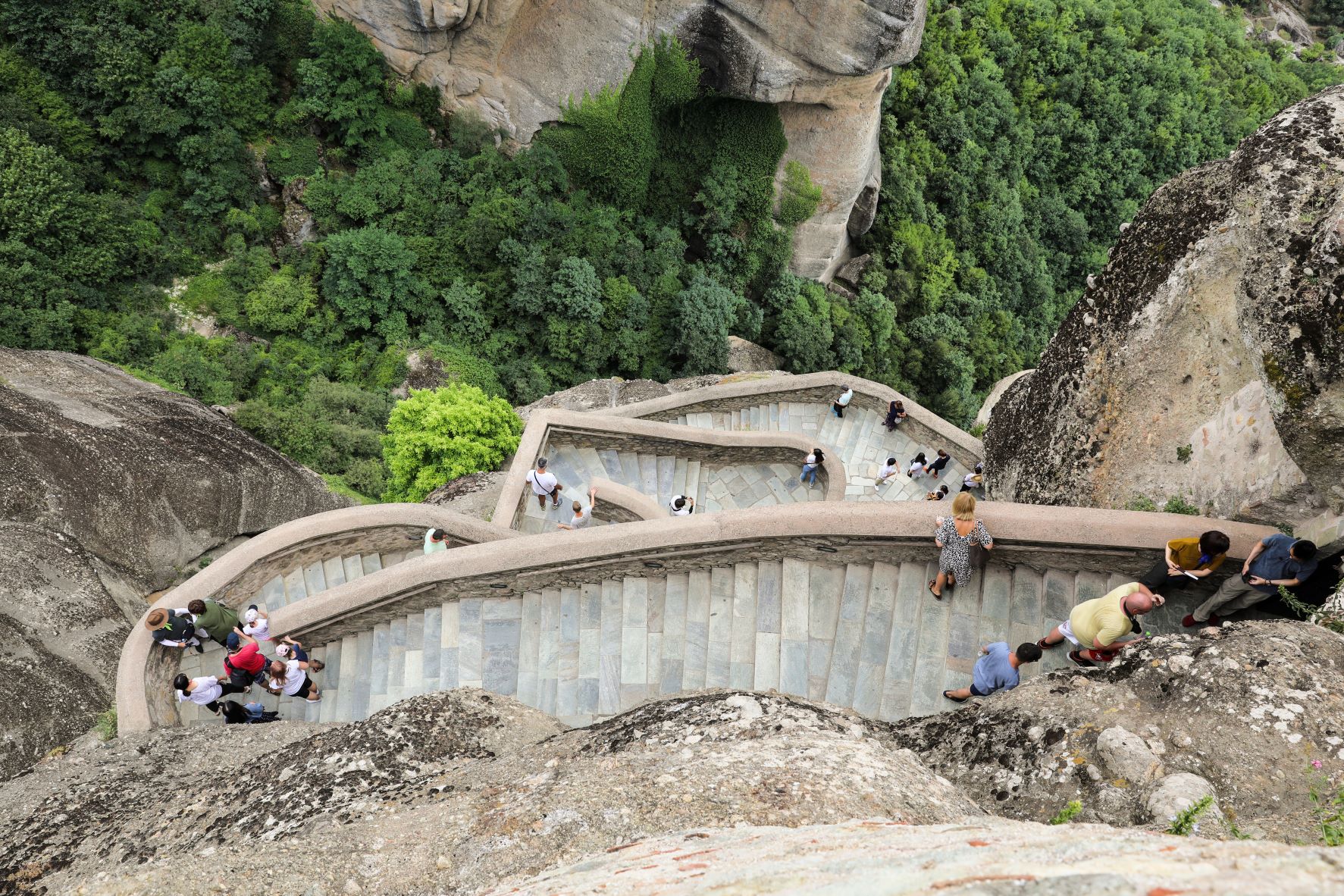
Yes. Families can enjoy scenic viewpoints, easy walking trails and guided tours suitable for all ages. Keep in mind that some monastery stairways may be challenging for very young children or visitors with limited mobility.

Travel Insights and Tips