The Museum is located on the National Highway connecting Trikala with Egnatia Highway, close to the big city hotels and five minutes from the city center on foot. Space for parking is available.
The Museum organizes guided tours for groups, school classes of elementary, middle and high school students and other special groups. Visitors will have the opportunity to become fully informed about the exhibits, the dangers that threaten the individual ecosystems and the environment in general.
In the Museum, there is available a free guided tour system with QR codes in English.
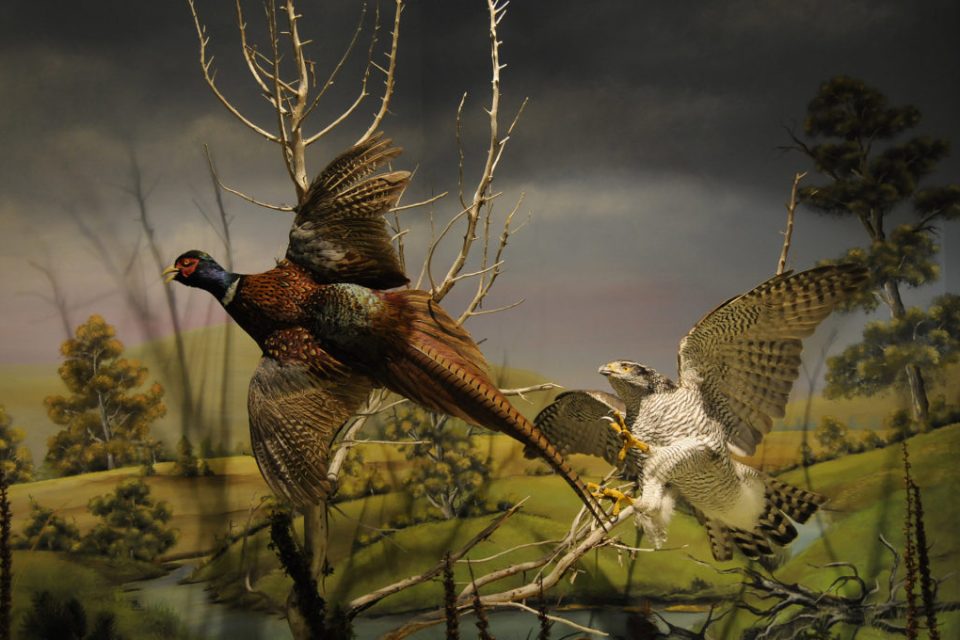
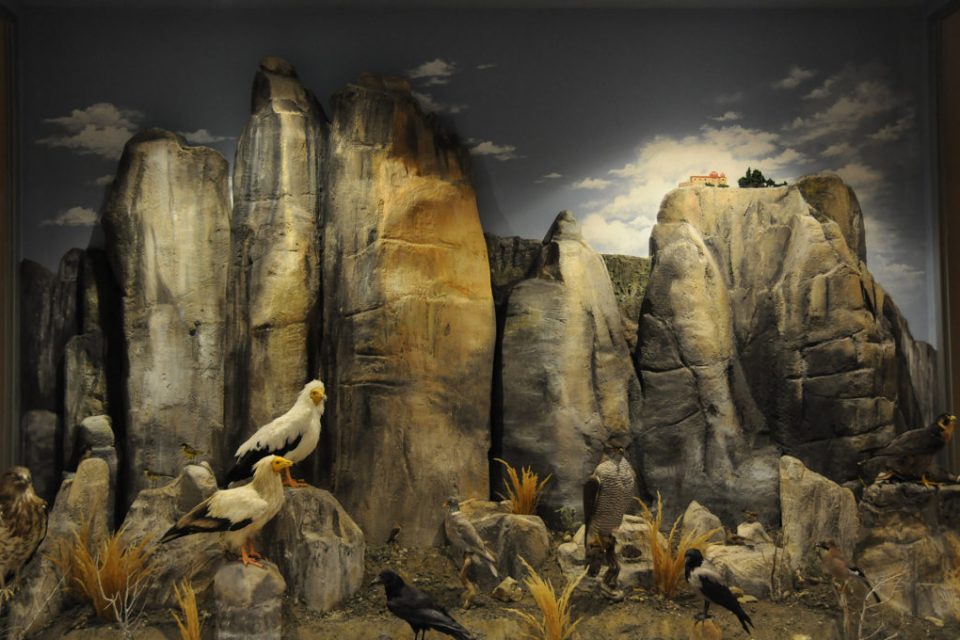
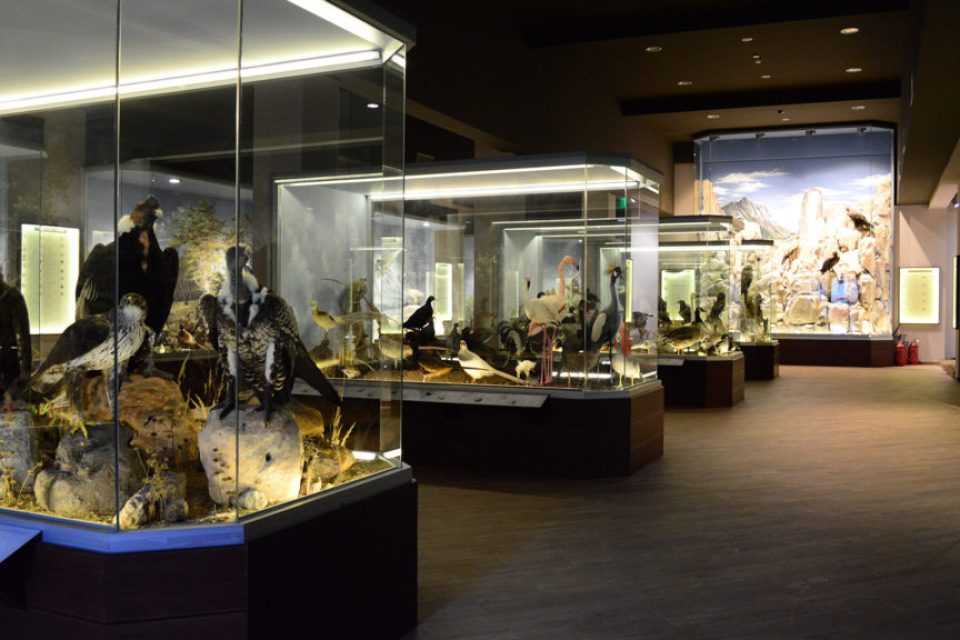
The Museum contains a rich collection of birds and mammals as well as a comprehensive mushroom museum, the first of its kind in Greece. The museum houses approximately 300 exhibits of animals and several dozens of the main species of mushrooms.
The presentation of the collections through dioramas depicts exactly the natural terrain where the wild animals live in and where the mushrooms grow. The quality of the exhibits is excellent. Their placement in space is in thematic units and exhibits are distributed depending on the type of ecosystem they belong to. Mushrooms are presented in a unique way, which includes the three major phases of their development providing a comprehensive picture of the way they develop in each ecosystem.
The high quality of the exhibits and the properly configured environment, create a striking effect and make the museum experience enjoyable and productive.
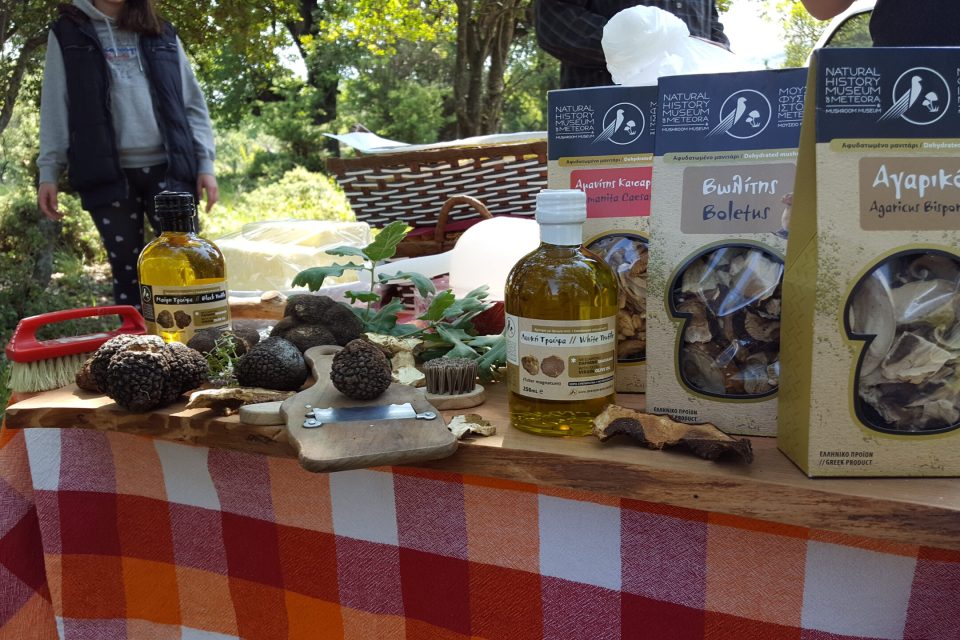
The Natural History Museum of Meteora and Mushroom Museum, during its effort to create alternative touristic activities, that showcase our nature’s wealth, is organizing and hosting truffle hunting activities in cooperation with travel offices.
Special trained truffle dogs with their trainer are searching for this unique fruit of Greek nature. They offer an original experience that can be enjoyed by the visitors of the local area.
In the same time, participants are provided with information about this special fruit. They learn about the kind of truffles that exist and how they can be used. In this way they enrich their knowledge about what is called “black diamond” that is “hiding” in the ground.
Undoubtedly, this is an experience that many wish to live. Now they have the opportunity.
Best time to avoid crowds
Visit in the morning or early afternoon, especially if you are combining it with monastery visits later in the day. The museum is usually calmer than the main Meteora sites and is also a very good option for hot days, rainy weather, or families looking for an indoor activity.
Best nearby monastery to combine with the Meteora Natural History Museum and Mushroom Museum
Combine it with Holy Trinity Monastery or St. Stephen’s Monastery, since both are located above Kalabaka. It works well as a town-based stop before or after visiting the monasteries on the Kalabaka side of Meteora.
Photography tip
The museum is better for detail photography than landscape shots. Look for close-up compositions of the wildlife displays, mushroom exhibits, and educational sections. For exterior context, you can pair your museum photos with wider shots of Kalabaka and the Meteora rocks nearby.
Parking / access tip
The museum is located in Kalabaka, so access is much easier than the monasteries. Parking nearby is usually more manageable than on the monastery road, though it can depend on the time of day. It is a convenient stop for visitors staying in Kalabaka or for families who want a break from stair climbs and outdoor sightseeing.
A: It’s in central Kalabaka, just a few minutes from the train station and hotels. Easily combined with walking tours or monastery visits.
A: About 45 minutes to 1 hour is ideal for most visitors — slightly longer if you join a tasting or guided tour.
A: Yes — guided sessions are available upon request and especially recommended for groups or school visits.
A: Absolutely — the museum shop sells a curated selection of gourmet mushroom products, including spreads, pasta, seasonings, and gifts.