Theopetra isn’t just a cave — it’s Europe’s diary of human resilience and ingenuity.
Long before Meteora’s cliffs became sacred ground for monks, they sheltered something even more ancient: Neanderthals and early Homo sapiens. The Theopetra Cave, just 5 km from Kalabaka, is one of the oldest known archaeological sites in Europe, offering a direct window into the dawn of civilisation.
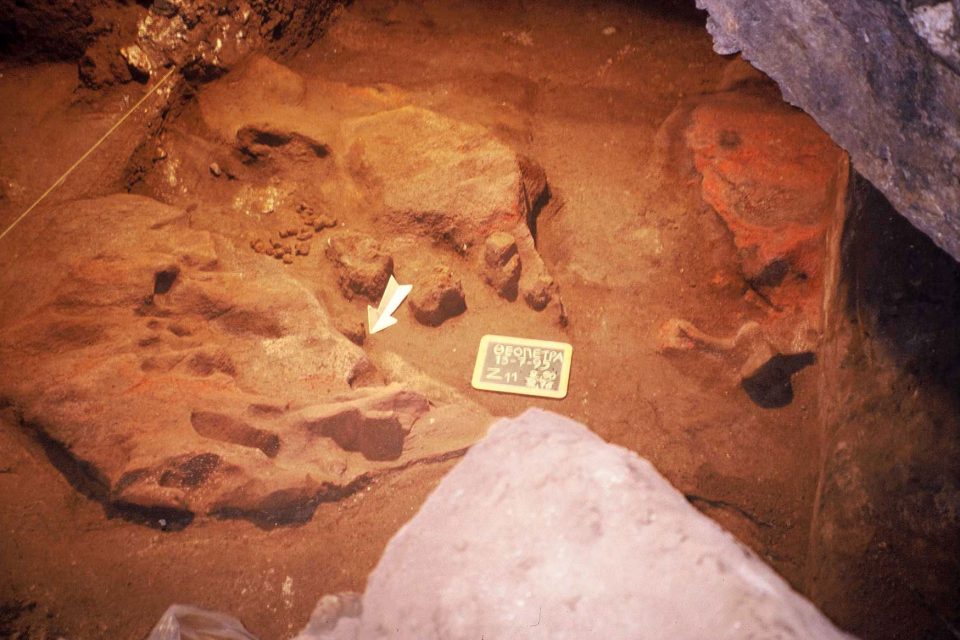
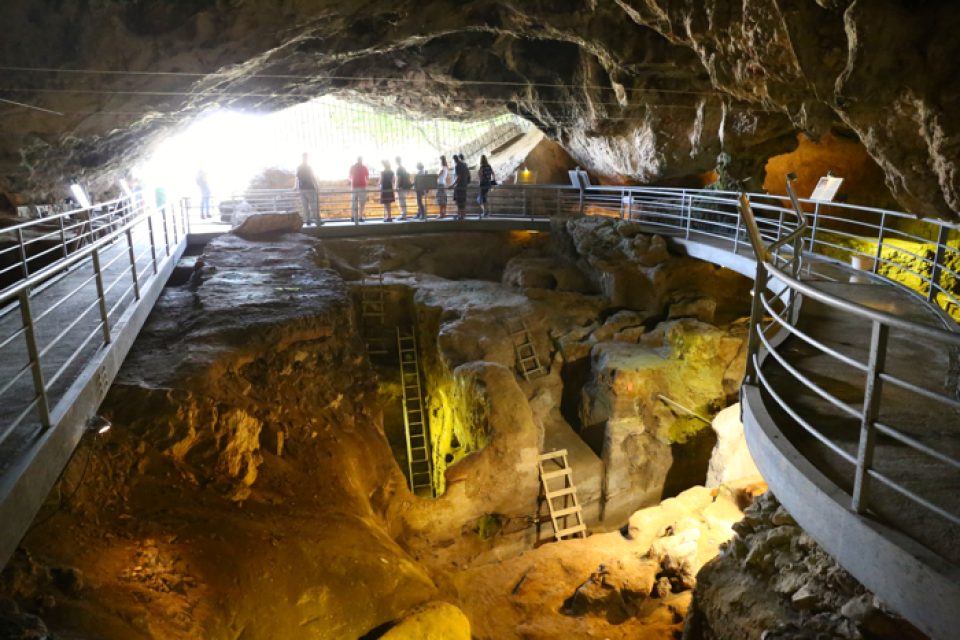
The prehistoric Cave of Theopetra, which is located only 4 km away from Meteora, is indeed a very unique archaeological site. Over the past few decades, it has revealed many of Mankind’s secrets of prehistoric origins in Greece. During excavations, archaeologists were able to find many burials, stone tools, pottery, animal bones, as well as the oldest known man-made structure on earth, officially dated to this day.
The prehistoric Cave of Theopetra’s location offers great advantages for survival. It has superb access to fresh water and different food sources, it provides access to raw materials, and its vantage point served as a magnet for early inhabitants who recognised these key advantages immediately. As a result, various groups of Neandertals and Homo Sapiens used it continuously for more than 130.000 years.
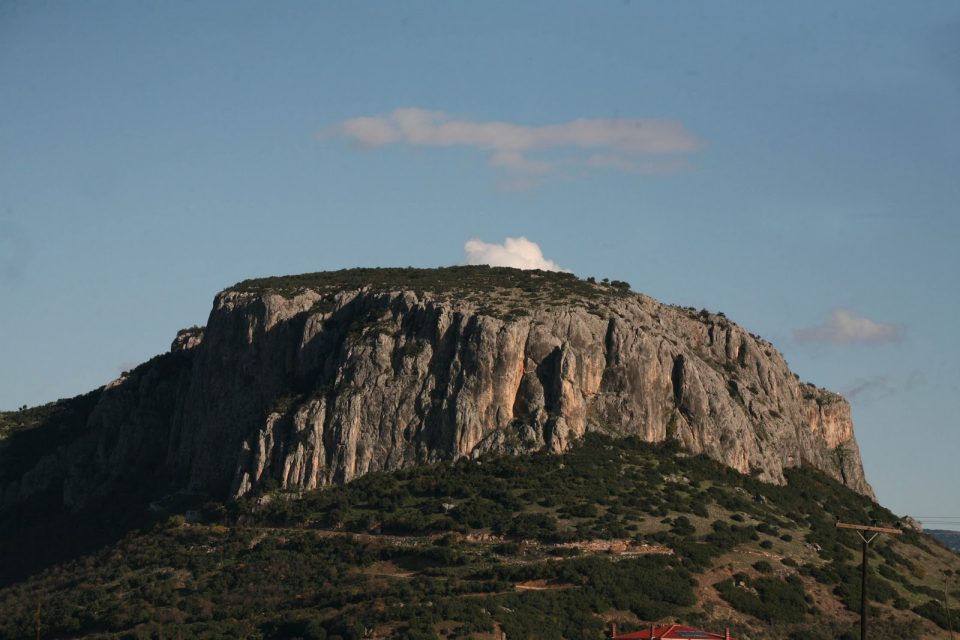
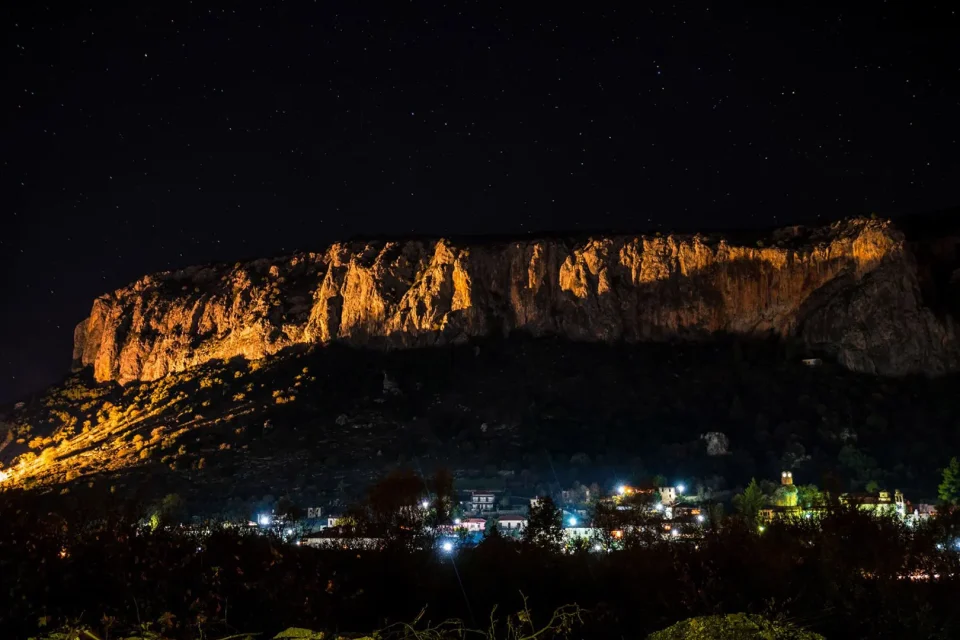
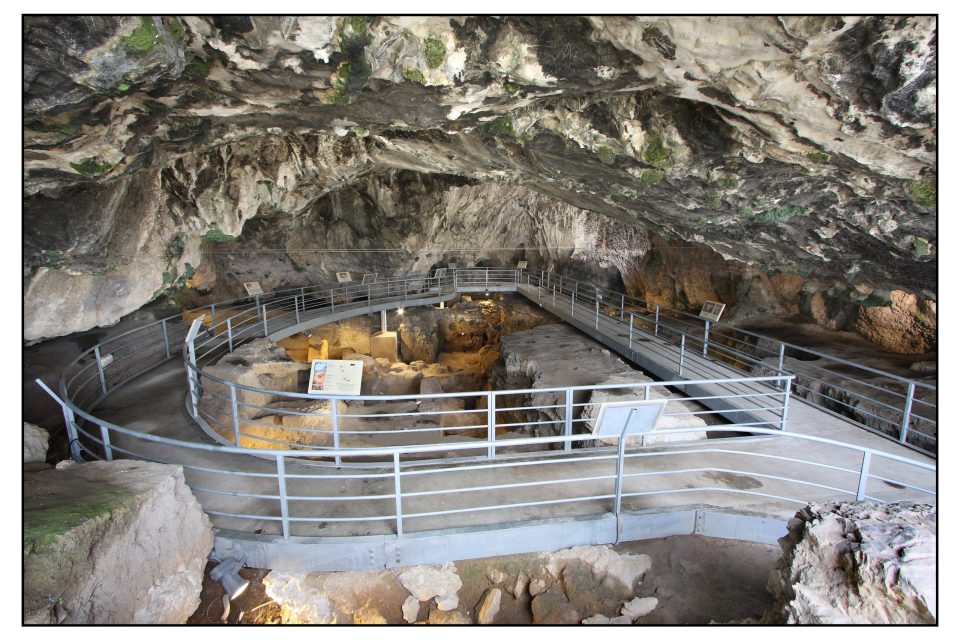
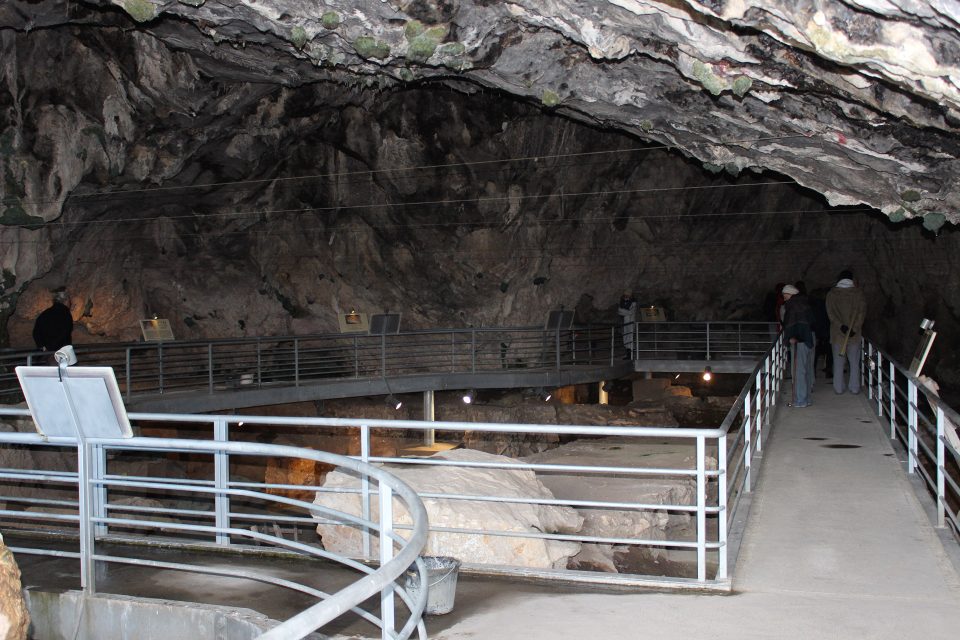
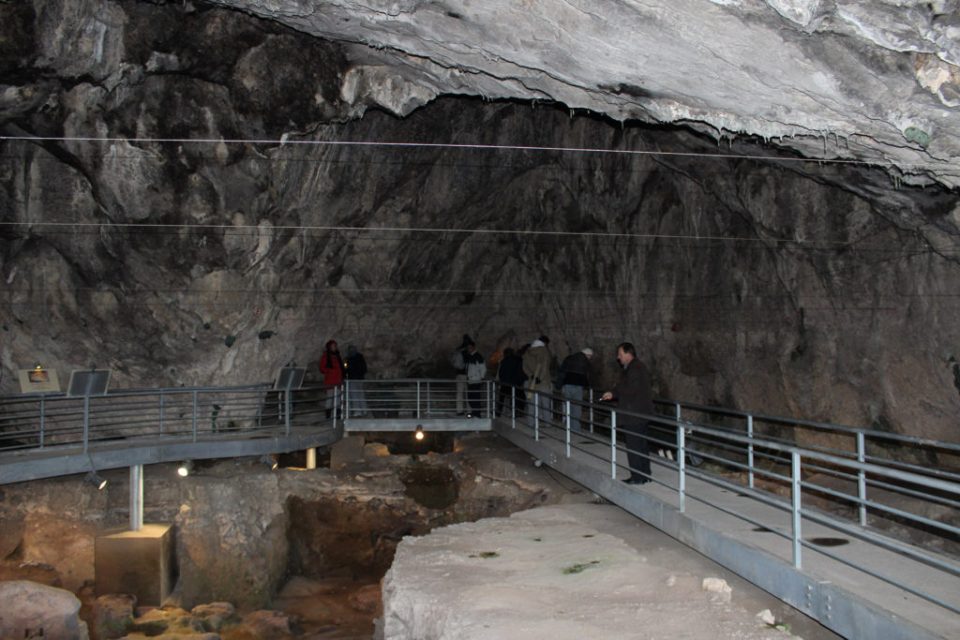
Its uniqueness from an archeological perspective is that it contains, within a single site, the records of two immensely significant cultural transitions: The replacement of Neanderthals by modern humans 40.000 BP, and the later transition from hunter-gathering to farming after the end of the last Ice Age. The cave consists of an immense 500 square meter rectangular chamber at the foot of a limestone hill, which rises to the northeast above the village of Theopetra, with a huge entrance 17m wide by three meters high.
It lies at the foot of the Chasia mountain range, which forms the natural boundary between Thessaly and Macedonia prefectures. At the same time, the Lithaios River, a tributary of the Pineios River, flows in front of the cave. In addition, the small Lithaios River flowing literally on the doorsteps of the cave meant that cave dwellers had always easy access to fresh, clean water without the need to cover long distances daily to find it.
The latest cave findings published in 2012 by the lead scientist and her team responsible for the excavations, Paleoanthropologist Dr. Ekaterini (Nina) Kyparissi-Apostolika, have raised the time records of the cave’s dwelling to 135.000 BC.
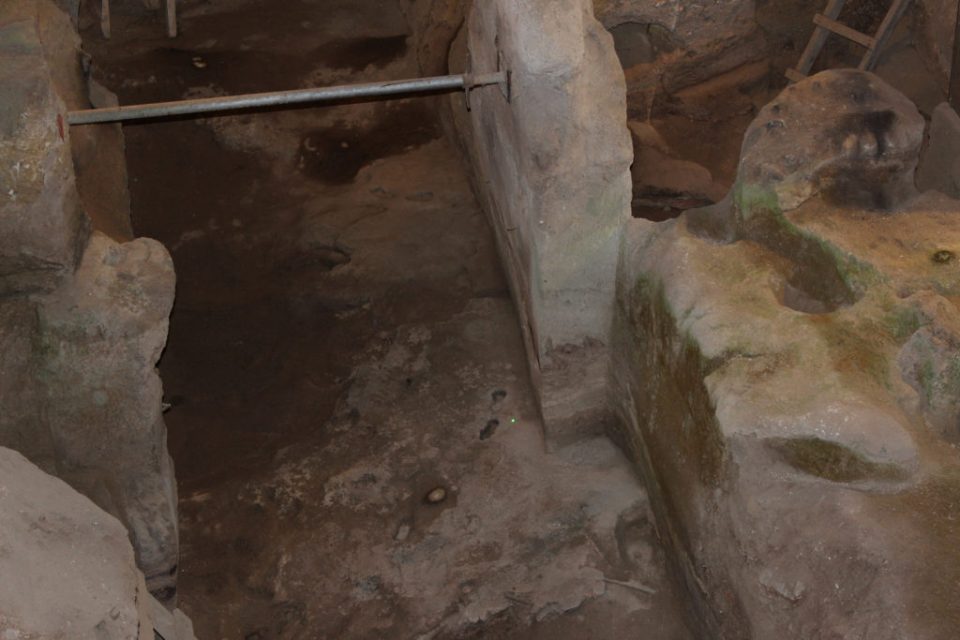
In 2010, it was announced that according to an optical dating test known as Optically Stimulated Luminescence, which was performed to date a recently excavated stonewall and applied to quartz grains nested within the stones, it surprisingly revealed the oldest known artificial structure. The stone wall in front of Theopetra Cave, which is approximately 23,000 years old, was likely built by ancient humans. To protect its residents from cold winds at the height of the last ice age, it ranks among the oldest known examples of a man-made structure!
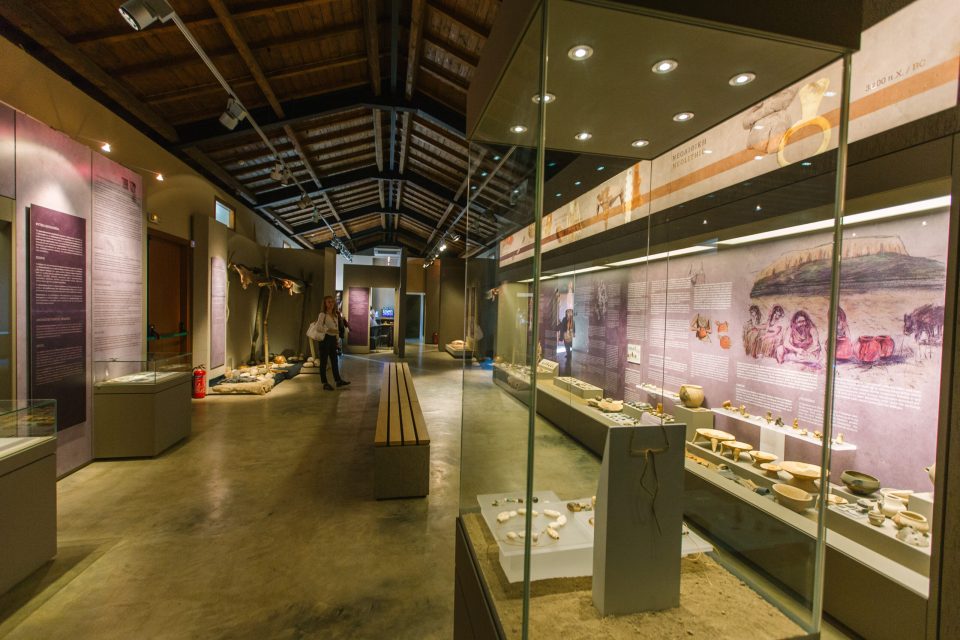
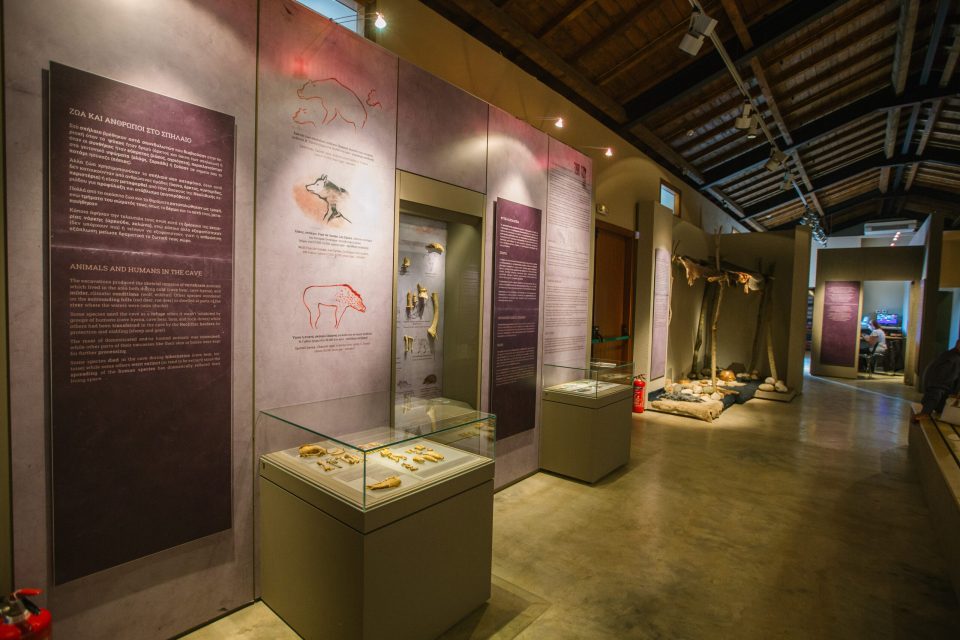
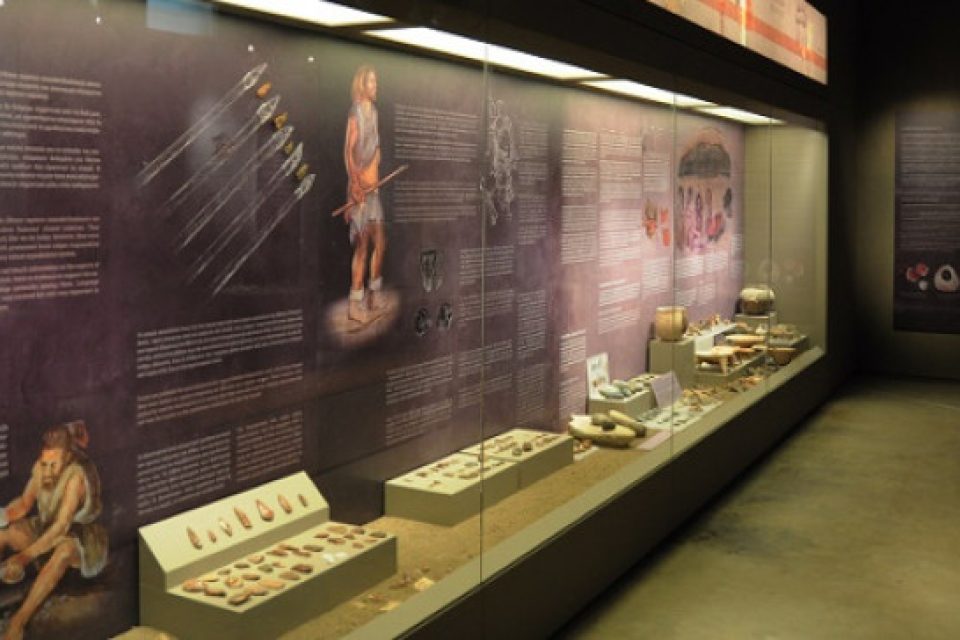
You can find the documentation and training center near the cave, which hosts the finds from the excavations that took place in the cave from 1987 to 2008. The purpose of the small Museum is to promote the cave’s cultural wealth and allow visitors to familiarize themselves with the notions of archaeology and prehistory.
The boutique Museum of Theopetra exhibits many artifacts, stone tools, burials, jewelry, pottery, seeds, and animal bones. The Cave and the Museum remain open daily except Tuesdays, from 08:30 AM to 3:30 PM. The entrance fee/ticket is 5 Euros per person with special rates for children/students/elderly. You can access the museum and the cave on the same ticket.
Best time to avoid crowds
Theopetra Cave is usually quieter than the main Meteora monasteries, but it is best visited in the morning or early afternoon as part of a wider Meteora itinerary. Before going, check whether the cave is currently open to visitors, as access has changed in the past and it may not always operate like a standard archaeological site.
Best nearby monastery to combine with Theopetra Cave
Combine Theopetra Cave with St. Stephen’s Monastery or Holy Trinity Monastery. These are the closest Meteora monasteries on the Kalambaka side and make a good pairing if you want to connect Meteora’s prehistoric human history with its later monastic tradition.
Photography tip
The most interesting photos are usually exterior and landscape shots that show the cave entrance in relation to the Theopetra rock and the surrounding plain. If interior access is available, avoid flash where prohibited and focus on the scale and atmosphere rather than close-up details.
Parking / access tip
The cave is located outside Kalambaka, near Theopetra village, so it is best reached by car or as part of a guided route. Access conditions can vary, so confirm opening status before setting out. Wear comfortable shoes, especially if you plan to walk around the site or combine it with other Meteora stops.
A: The Cave and the Museum remain open daily except Tuesdays, from 08:30 AM to 3:30 PM. The entrance fee/ticket is 5 Euros per person with special rates for children/students/elderly. You can access the museum and the cave on the same ticket.
A: Roughly 5 km from Kalabaka, about 10–15 minutes by car or transfer.
A: Yes — we offer custom cultural and archaeological tours that include a visit to the museum, and optionally pair it with the Byzantine Church of Kalabaka, St. George Madilas, or modern monastery sites.