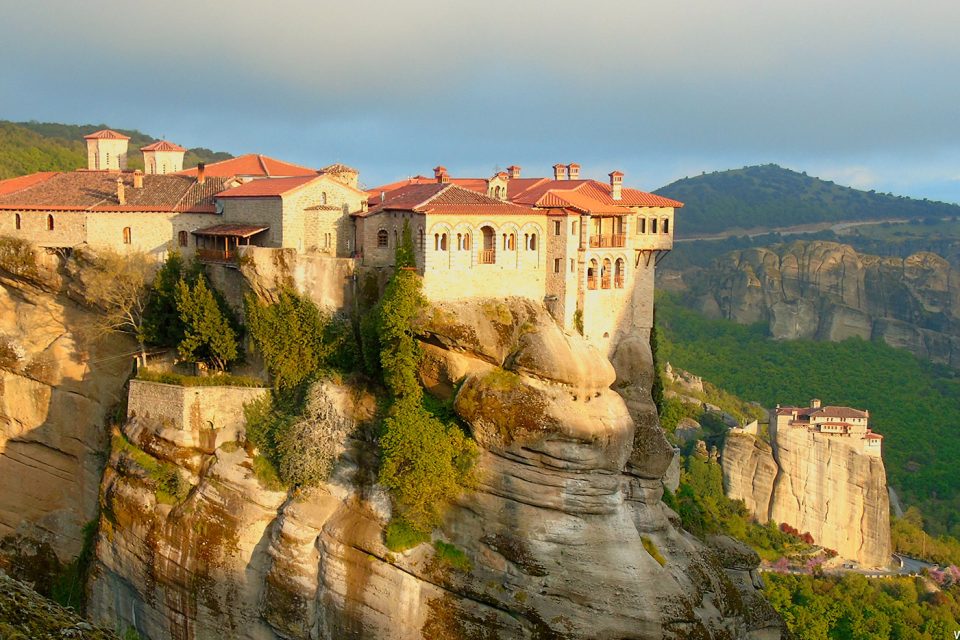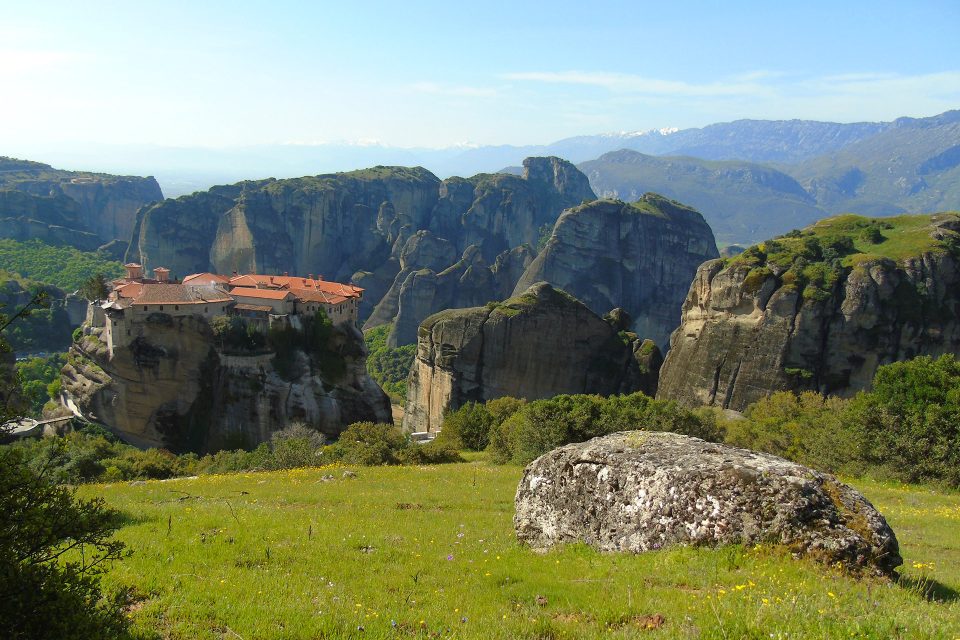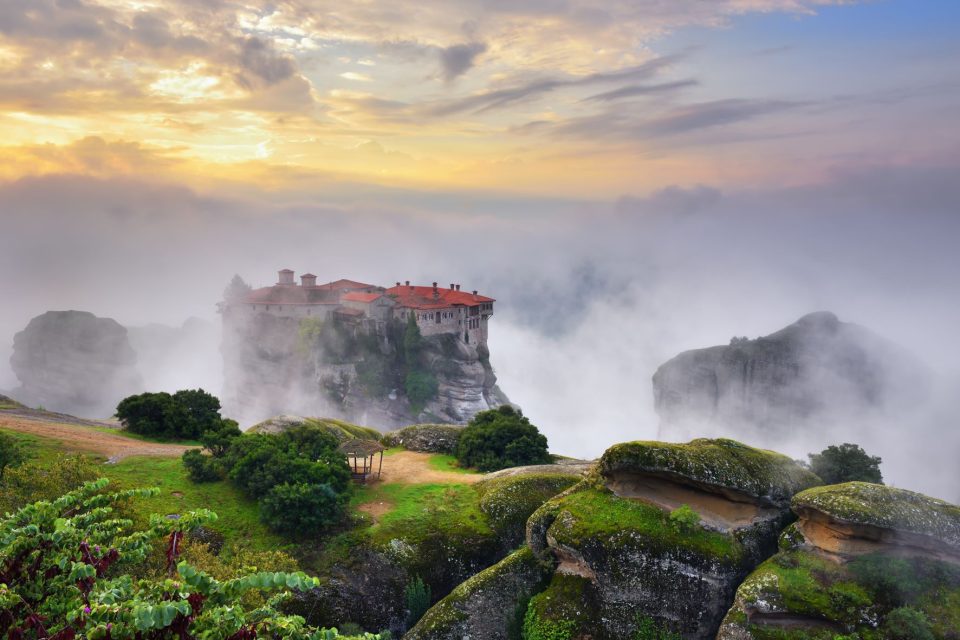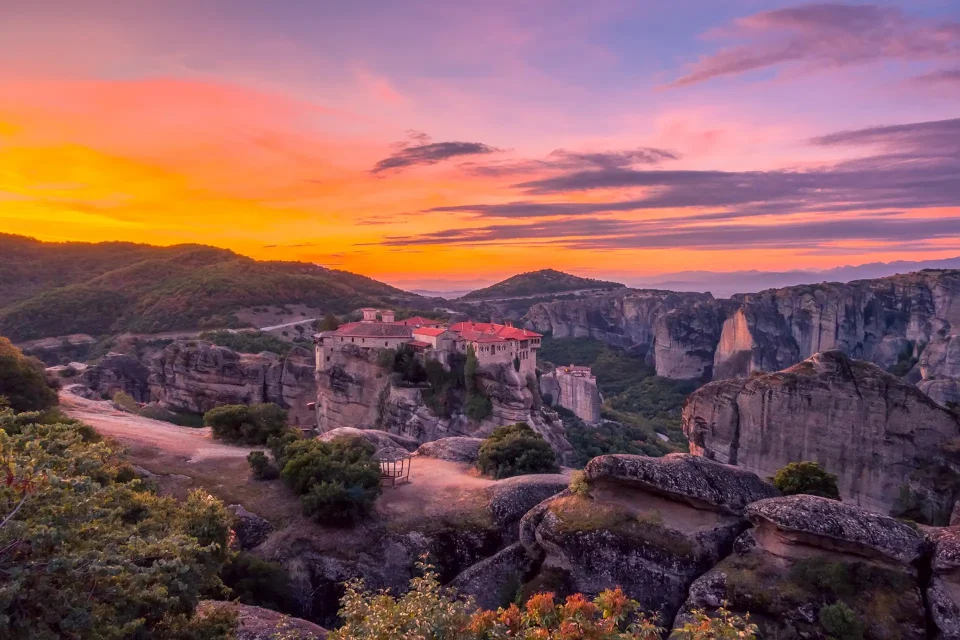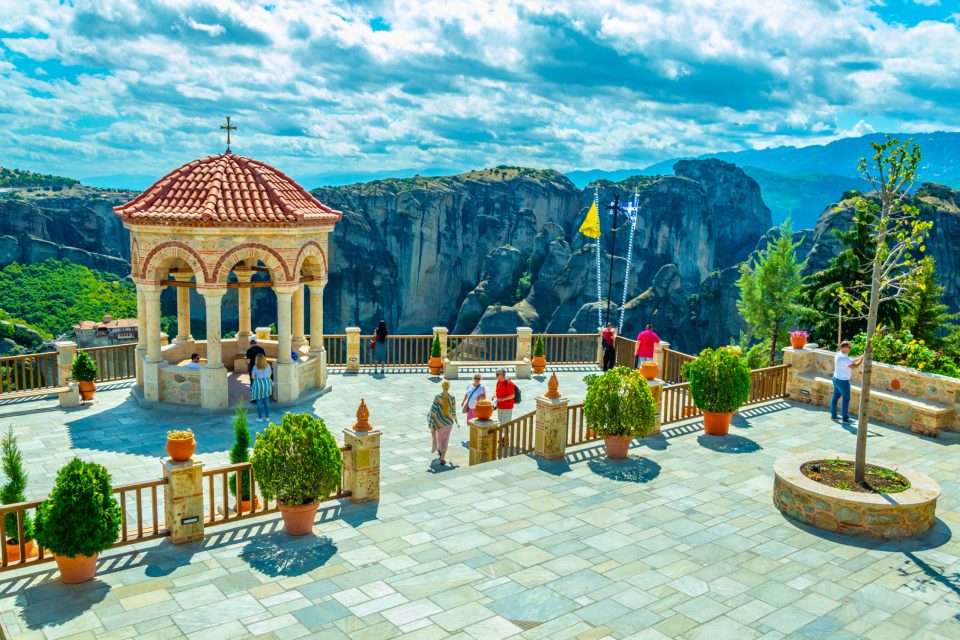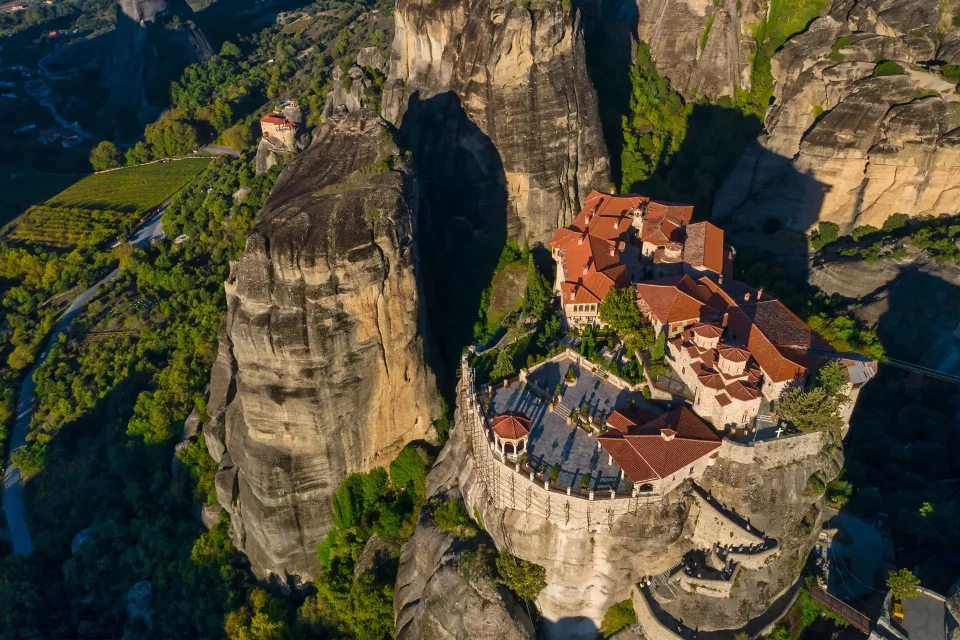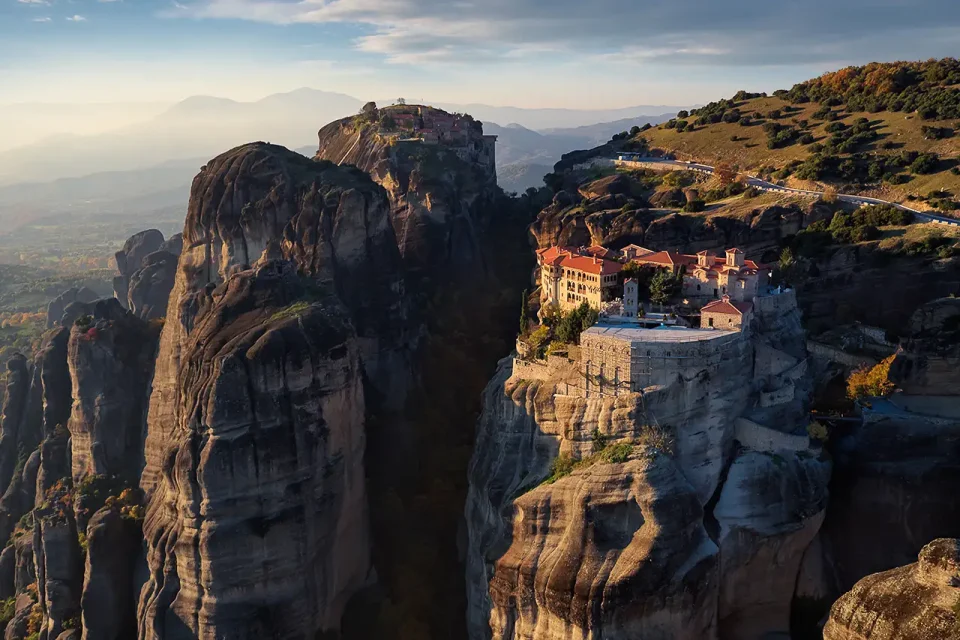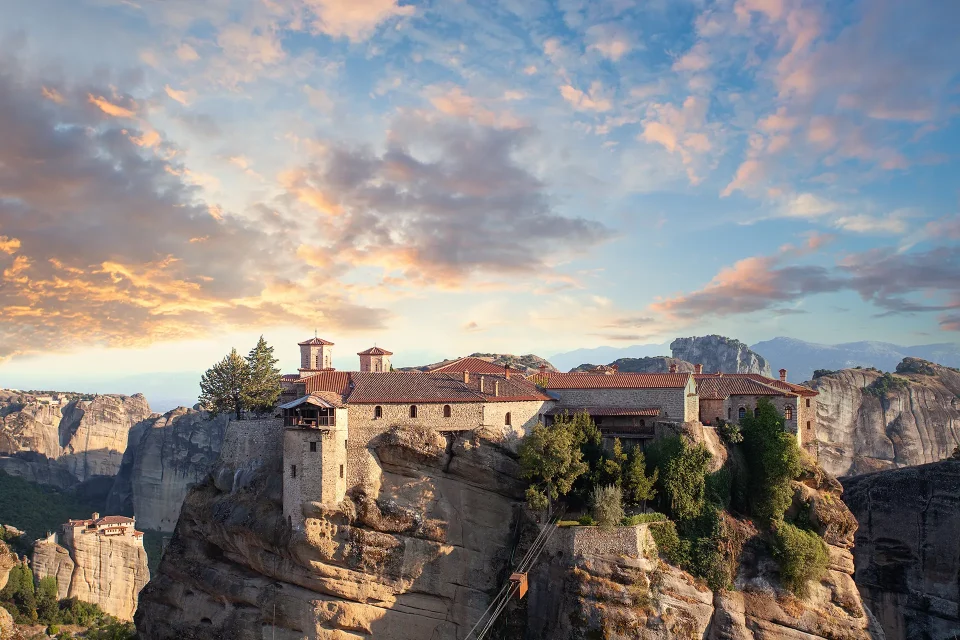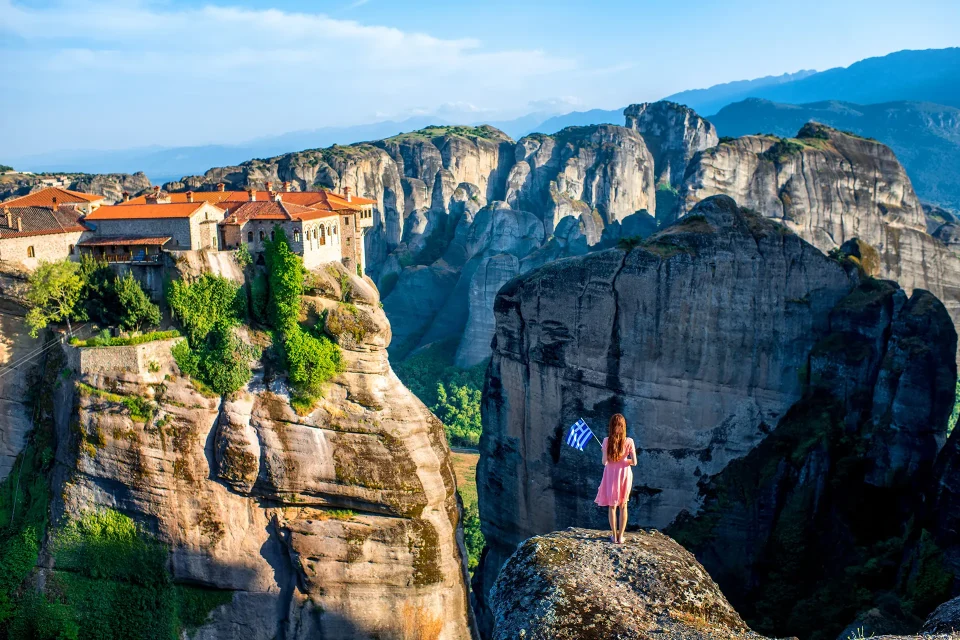
The Monastery of Varlaam is the second-largest monastery in the UNESCO World Heritage Site in Meteora, Greece. It is steeped in history and offers stunning views of the surrounding landscape. Located in proximity to the Great Meteoro Monastery, this remarkable site was founded in the mid-14th century by a dedicated monk named Varlaam.
In approximately 1350, Varlaam successfully ascended the steep cliffs of Meteora, accompanied by a few fellow monks. Together, they established what we now recognize as the Varlaam Monastery. Sadly, after Varlaam’s passing in the early 15th century, the monastery faced abandonment, and the 14th-century chapel he built and dedicated to the “Three Hierarchs” fell into disrepair.
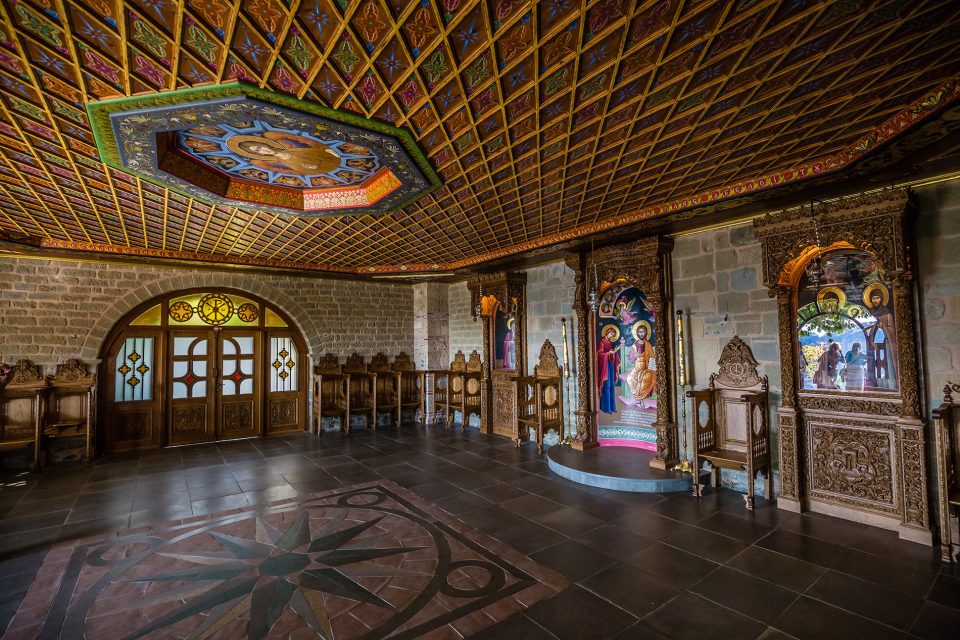
However, the story of the Monastery of Varlaam did not end there. In the early 16th century, two visionary brothers from Ioannina, Theophanes and Nectarios, also known as the Apsarades, revitalized this abandoned sanctuary. They devoted many years to restoring the monastery, culminating in the construction of a new chapel dedicated to “All Saints” in 1541.
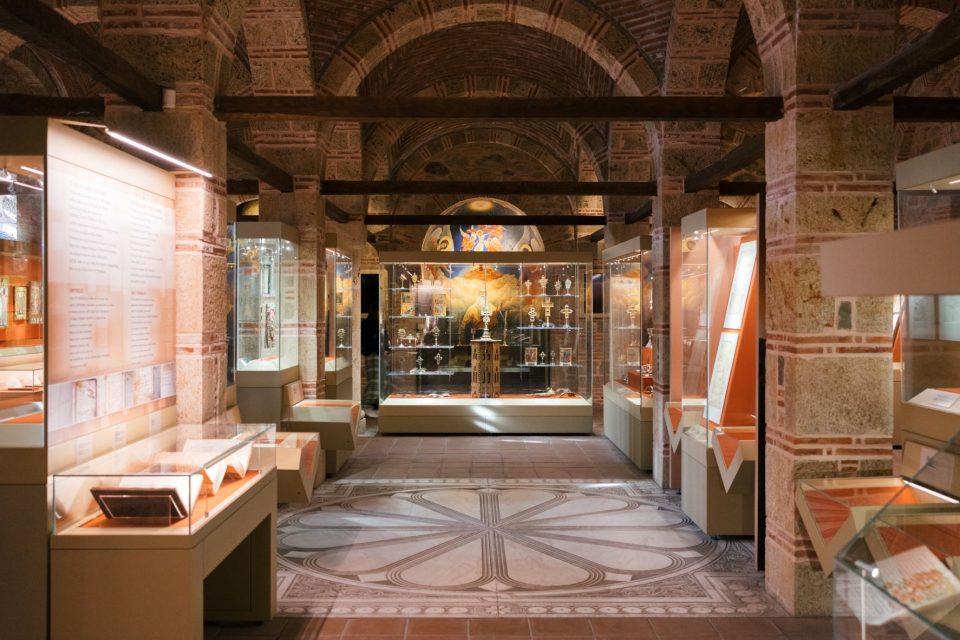
Today, the Varlaam Monastery stands as a testament to resilience and faith, celebrated as one of the premier monasteries of Meteora. It now features a beautiful museum that showcases a wealth of valuable relics, exquisite art, and ancient manuscripts, offering visitors a glimpse into its rich history. Visiting the Monastery of Varlaam provides not only spiritual inspiration but also breathtaking views and a unique opportunity to connect with centuries of monastic tradition. Discover the enchanting history and serene beauty of Varlaam Monastery—it’s a must-see monastery for those exploring Meteora.
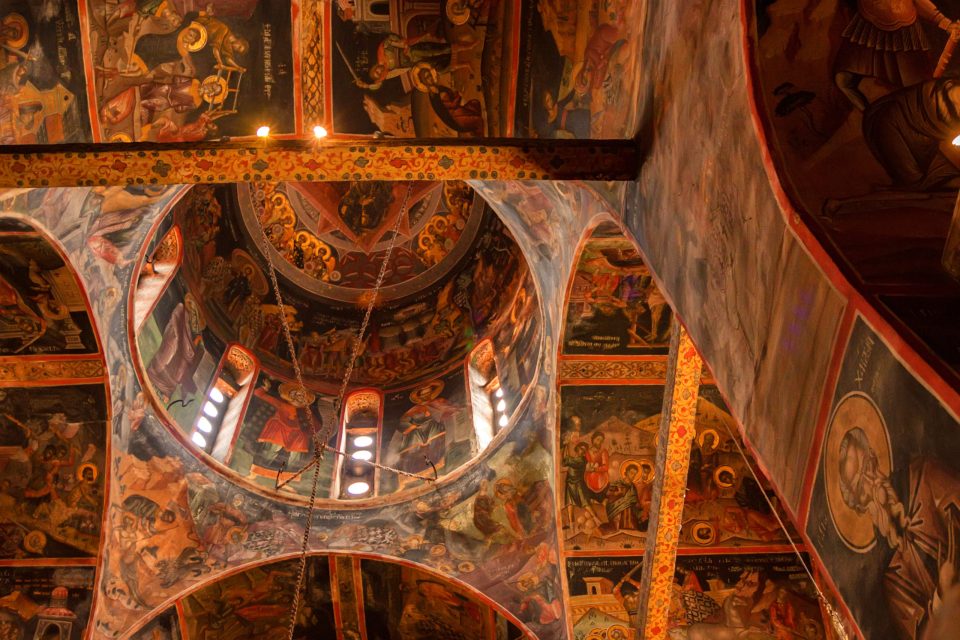
The stunning frescoes in the chapel of All Saints at the Monastery of Varlaam are attributed to the renowned 16th-century hagiographer, Franco Catalano. The Varlaam Monastery has preserved the historic tower featuring an old pulley system, complete with a net that was once used by the early monks to transport people and supplies.
Visitors to the Monastery of Varlaam can also discover a large 16th-century oak barrel that served as a water storage solution for centuries. Recently, the Varlaam Monastery opened a new museum where guests can admire remarkable religious painted icons, mostly from the Renaissance period, as well as exquisite holy vestments worn by priests during the Byzantine era.
To delve deeper into the captivating stories of the Monastery of Varlaam, consider joining the 4-hour Meteora Half-Day Sightseeing Tour, which offers daily visits to the monastery, excluding closing days. We are dedicated to ensuring you have the best possible experience during your visit to the Varlaam Monastery!
Best time to avoid crowds
Visit early in the morning or later in the afternoon, especially during the busy months from spring to autumn. Varlaam is one of the most popular monasteries in Meteora and is often visited together with Great Meteoron, so it can get crowded when tour groups arrive.
Best nearby monastery to combine with Varlaam
Combine Varlaam with Great Meteoron Monastery, which is located very close nearby. This is one of the easiest and most rewarding monastery pairings in Meteora, as both are among the largest and most impressive sites in the area.
Photography tip
Some of the best photos of Varlaam are taken from the road and viewpoints between Varlaam and Great Meteoron. Look for angles where the monastery appears balanced on the edge of the rock, with the Meteora cliffs stretching behind it.
Parking / access tip
There is parking near the monastery, but it fills quickly in high season. Arrive early for the easiest access. From the parking area, you will still need to walk and climb steps to reach the entrance, so comfortable shoes and water are recommended, especially on hot days.
A: Yes, although it’s typically closed on Fridays and hours may vary seasonally. Check updated schedules before visiting.
A: Visitors climb a series of steps after parking nearby. A small bridge connects the rock to the entrance.
A: Appropriate clothing for everyone is required to enter the monasteries. Sleeveless clothing and shorts over the knee for men are prohibited and you‘ll be denied access if dressed that way. For ladies skirts and shawls are available to borrow or buy at the entrance of monasteries in case they don’t have such clothing to cover themselves.
A: The Monastery of the Holy Trinity and Great Meteoro are the less accessible (over 300 steps). Rousanou, Varlaam and Saint Nicolaos have an average number of 140. Some of the monasteries apart the staircases requires uphill walking in paved paths. The Holy Monastery of St Stephen is connected with a walking bridge, thus making it more accessible than any other monastery.
A: In each monastery there is an entrance fee of 5 euro per person. Kids up to 12 years old they don’t pay entrance fees in the monasteries.
A: There are many reasons not to want to drive while exploring Meteora — like if you’re not confident driving on the opposite side of the road, your spouse is a terrible copilot and you just want to have fun instead of arguing; or if you want to enjoy the scenic road and not to feel stress about the narrow and curvy roads. Lack of parking space outside the monasteries is especially frequent phenomenon during the pick period in the summer. So by joining one of our tours might save you a lot of headaches and unwanted distractions.