UNESCO World Heritage Site

Meteora Monasteries

Explore the six active Meteora Monasteries with our complete visitor guide. Discover their fascinating history, opening hours, dress code, accessibility, panoramic viewpoints and expert local tips to help you plan an unforgettable visit to one of Greece's most iconic UNESCO World Heritage Sites.

Essential Visitor Information

Meteora Monasteries at a Glance

The key facts to know before planning your visit to the six active monasteries of Meteora.

6

Active Monasteries

Six historic monasteries remain active and open to visitors today.

14th–16th

Centuries Built

Most of the surviving monasteries were founded during Meteora’s monastic golden age.

1988

UNESCO Recognition

Meteora is protected as a UNESCO World Heritage Site for its natural and cultural importance.

€5

Entrance Fee

Each monastery normally charges a separate entrance contribution per visitor.

4–6 hrs

Recommended Visit

Allow half a day to comfortably visit two or three monasteries and scenic viewpoints.

2–3

Best Daily Choice

Visiting two or three monasteries offers the best balance between history, views and time.

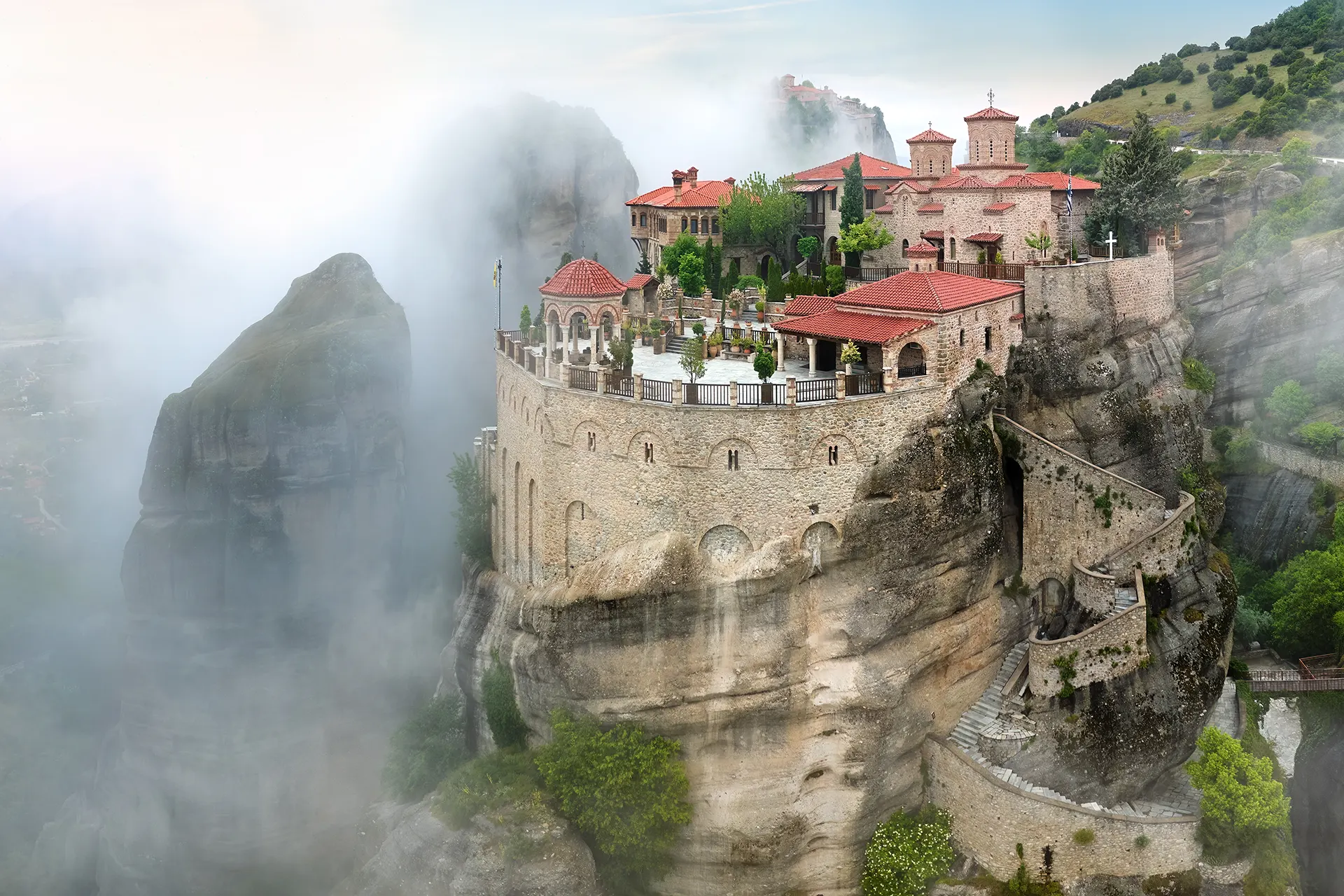
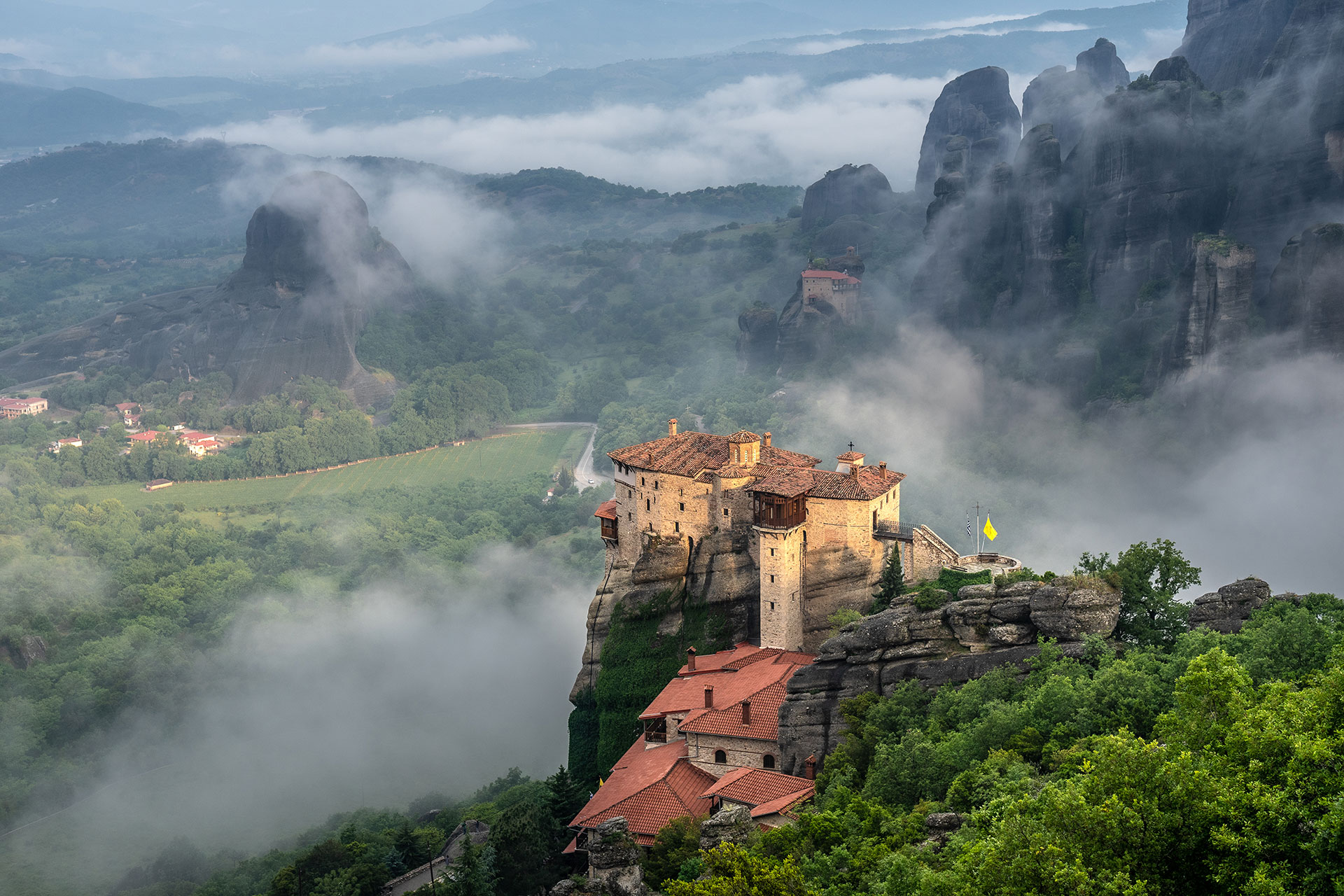
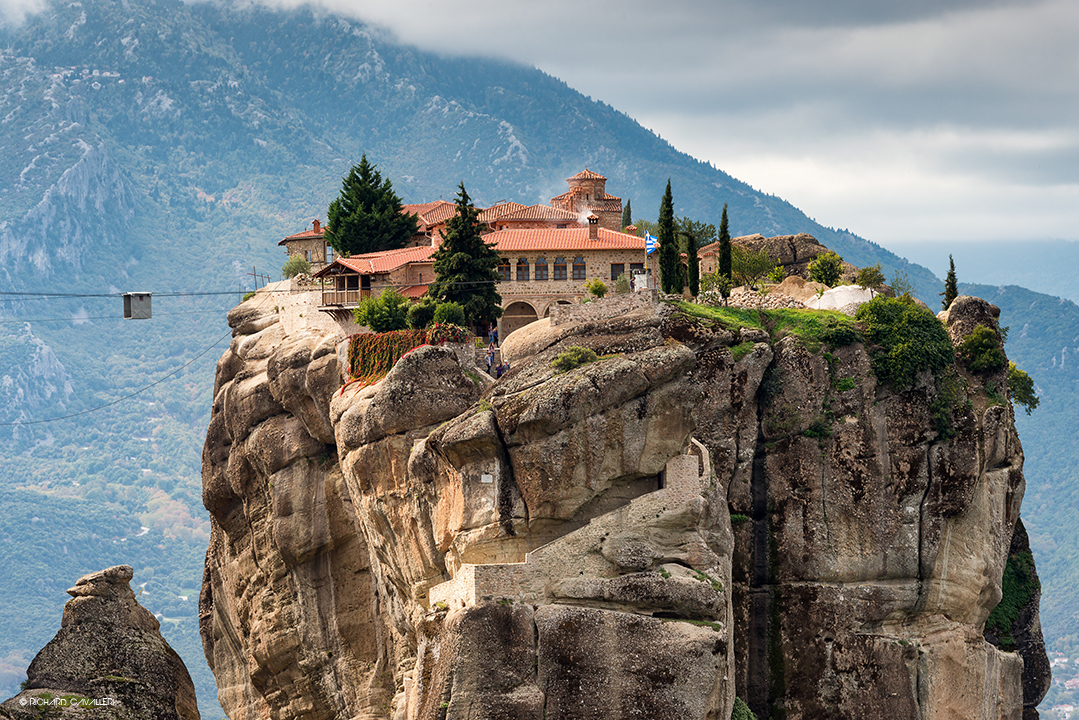
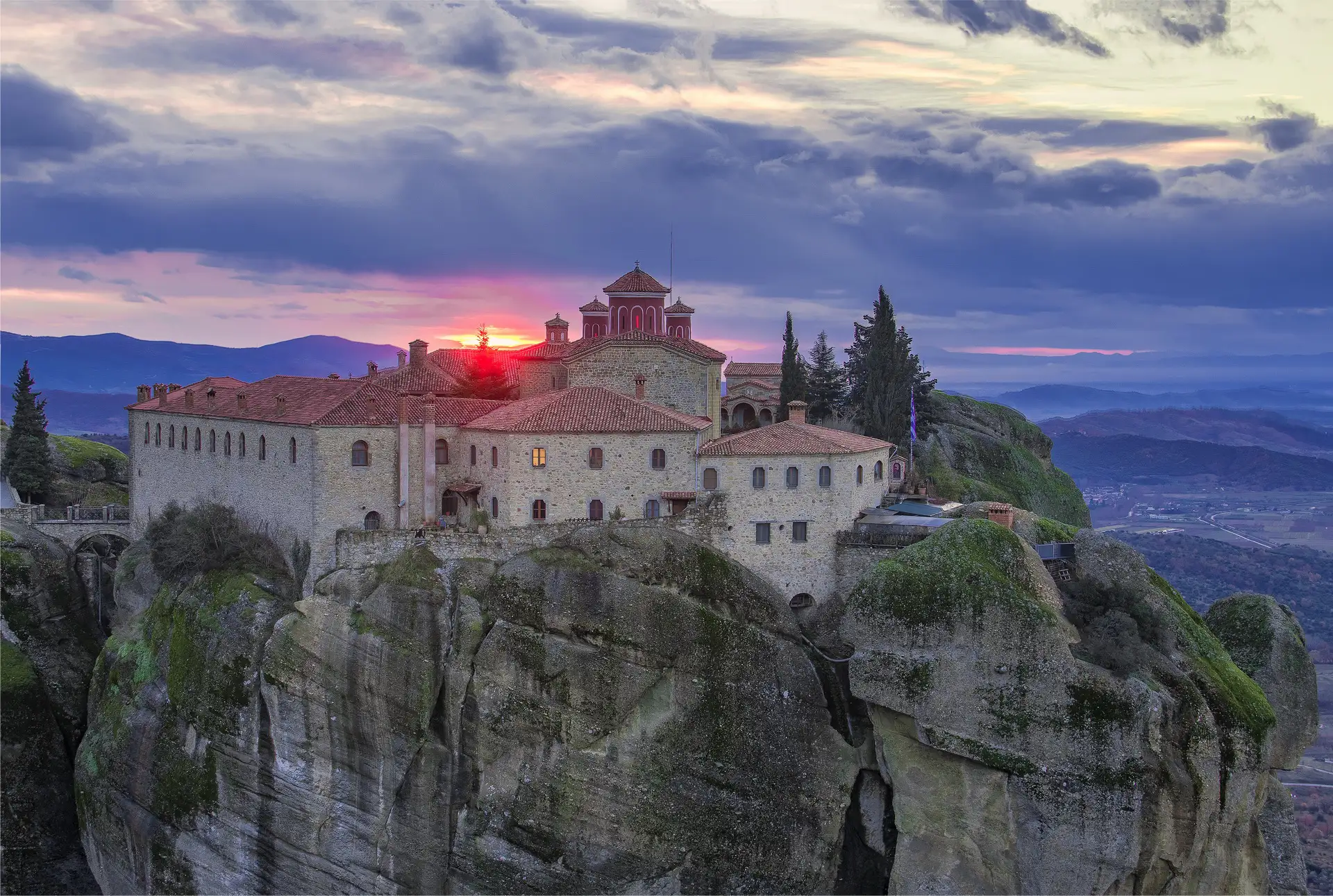
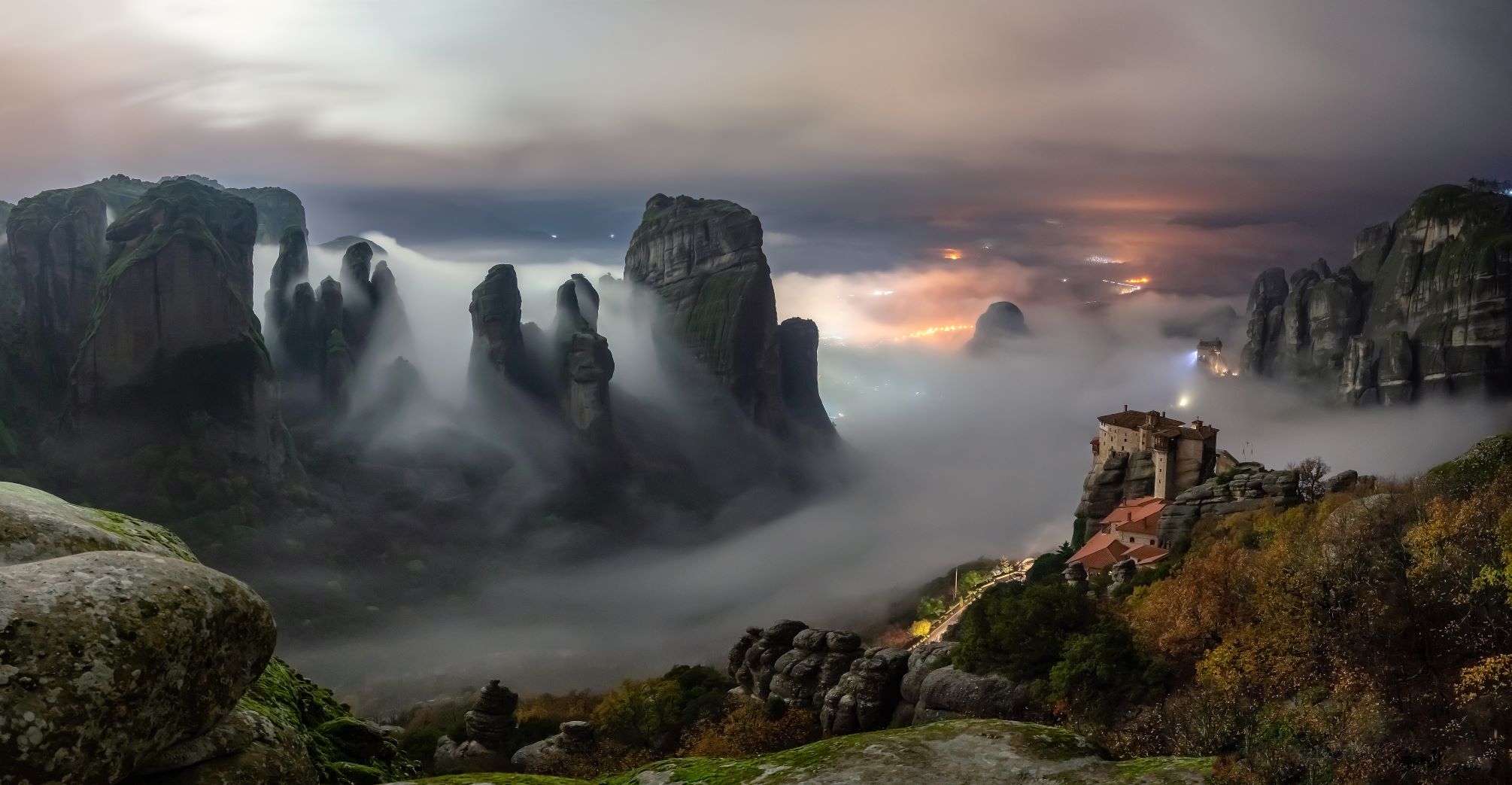
The monasteries of Meteora rising above the dramatic rock formations.
More Than Monasteries

Why Are the Meteora Monasteries So Unique?

Perched on towering sandstone pillars, the Meteora Monasteries are among the most extraordinary religious monuments in the world. Built between the 14th and 16th centuries, they were designed to provide solitude, protection and spiritual devotion high above the surrounding Meteora landscape.

What makes Meteora truly unique is the rare combination of breathtaking geology, Byzantine heritage and centuries of uninterrupted monastic life. Visitors experience not only remarkable architecture, but also one of Greece's most spectacular natural landscapes, recognized as a UNESCO World Heritage Site.

UNESCO World Heritage Site since 1988
24 Historic monasteries were once active
6 Monasteries remain open to visitors today
The Six Active Monasteries

Meet the Monasteries of Meteora

Each monastery has its own history, architecture and atmosphere. Discover what makes every one of them unique before planning your visit.
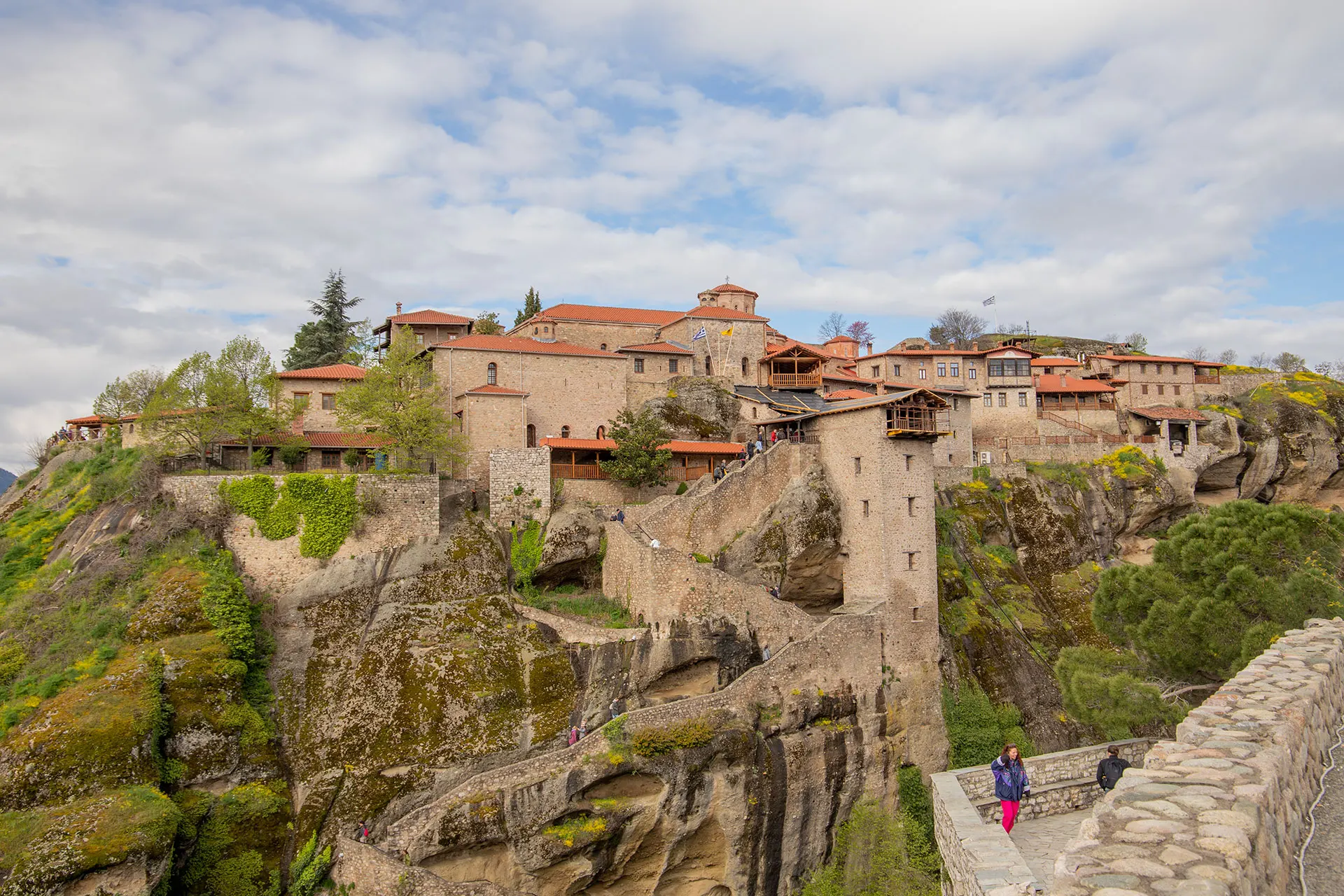
Great Meteoron Monastery
Largest Monastery

Great Meteoron

The oldest and largest monastery of Meteora, famous for its impressive museum, panoramic location and rich monastic history.

  • ✔ Largest complex
  • ✔ Excellent museum
  • ✔ Best first visit
Discover More
Varlaam Monastery
Most Popular

Varlaam Monastery

Renowned for its beautiful katholikon, preserved monastery buildings and spectacular terraces overlooking Meteora.

  • ✔ Amazing viewpoints
  • ✔ Rich history
  • ✔ Beautiful architecture
Discover More
Roussanou Monastery
Most Photogenic

Roussanou Monastery

Perched on a narrow rock pillar, Roussanou offers one of the most picturesque settings in Meteora.

  • ✔ Incredible views
  • ✔ Compact monastery
  • ✔ Ideal for photography
Discover More
Holy Trinity Monastery
Adventure

Holy Trinity

One of the most dramatic monasteries of Meteora, reached by a scenic staircase carved into the rock.

  • ✔ Iconic location
  • ✔ Spectacular approach
  • ✔ Famous James Bond filming location
Discover More
St Stephen Monastery
Easy Access

St. Stephen

The easiest monastery to visit thanks to its bridge access, making it ideal for families and visitors with limited mobility.

  • ✔ No long staircase
  • ✔ Family friendly
  • ✔ Panoramic balcony
Discover More
St Nicholas Anapausas Monastery
Hidden Gem

St. Nicholas Anapausas

The smallest active monastery, celebrated for its remarkable frescoes painted by Theophanes the Cretan.

  • ✔ Historic frescoes
  • ✔ Quiet atmosphere
  • ✔ Short visit
Discover More
A Landscape Like No Other

Rising above the Thessalian plain, the Meteora rocks became one of the world's most extraordinary places of worship.

For more than six centuries, monks have transformed these towering sandstone pillars into a living spiritual sanctuary where nature, architecture and faith exist in perfect harmony.

Compare Your Options

Which Meteora Monastery Should You Visit?

Compare accessibility, atmosphere and highlights to choose the monasteries that best match your interests and available time.

01
Largest Monastery

Great Meteoron

Access
Demanding
Best For
First-time visitors
Visitor Levels
Usually busy
Suggested Time
60–90 minutes

The largest monastic complex in Meteora, with an extensive museum and panoramic views.

Explore Great Meteoron
02
Architecture & History

Varlaam

Access
Moderate
Best For
History and architecture
Visitor Levels
Usually busy
Suggested Time
45–60 minutes

Known for its impressive katholikon, historic buildings and beautiful viewing terraces.

Explore Varlaam
03
Most Photogenic

Roussanou

Access
Moderate
Best For
Photography
Visitor Levels
Moderate
Suggested Time
30–45 minutes

A compact monastery built on a narrow rock pillar, surrounded by dramatic scenery.

Explore Roussanou
04
Dramatic Location

Holy Trinity

Access
Demanding
Best For
Views and adventure
Visitor Levels
Low to moderate
Suggested Time
45–60 minutes

One of Meteora's most dramatic locations, reached through a memorable ascent carved into the rock.

Explore Holy Trinity
05
Easiest Access

St. Stephen

Access
Easy
Best For
Families and accessibility
Visitor Levels
Moderate to busy
Suggested Time
30–45 minutes

Accessible by a small bridge, with no long staircase and an impressive panoramic balcony.

Explore St. Stephen
06
Artistic Treasure

St. Nicholas Anapausas

Access
Demanding
Best For
Art and quieter visits
Visitor Levels
Usually quieter
Suggested Time
30–45 minutes

A small vertical complex known for its remarkable frescoes by Theophanes the Cretan.

Explore St. Nicholas

Access conditions, opening hours and visitor levels may vary throughout the year. Check the latest information before your visit.

Not Sure Where to Start?

Choose the Right Monastery for You

Every Meteora monastery offers a different experience. Whether you're interested in history, photography, breathtaking views or easy accessibility, here's where we recommend you begin.

🏛️ History Lovers

Great Meteoron

The oldest and largest monastery, home to remarkable museums, priceless manuscripts and centuries of Orthodox history.

Discover Great Meteoron
📸 Best Photography

Roussanou

A dramatic monastery rising from a narrow rock pillar, surrounded by some of Meteora's most iconic viewpoints.

Explore Roussanou
🌄 Best Views

Holy Trinity

Worth every step for its unforgettable panoramic scenery and one of the most photographed locations in Greece.

Visit Holy Trinity
👨‍👩‍👧 Families & Accessibility

St. Stephen

The easiest monastery to reach thanks to its bridge access, making it ideal for families and less demanding visits.

Visit St. Stephen
🎨 Art & Frescoes

St. Nicholas Anapausas

Discover exceptional frescoes by Theophanes the Cretan inside one of Meteora's most unique monastic churches.

Explore St. Nicholas
Through the Centuries

The History of the Meteora Monasteries

From isolated hermits seeking spiritual solitude to one of the world's most remarkable monastic communities, the history of Meteora spans more than a thousand years.

9th Century

The First Hermits

Ascetic monks settled in the caves and natural hollows of the Meteora rocks, living in complete isolation and prayer.

12th Century

Early Monastic Community

Small monastic communities gradually developed, creating the first organized religious life on the towering rock formations.

14th Century

The Birth of Meteora

Saint Athanasios the Meteorite founded Great Meteoron Monastery, establishing the beginning of the organized Meteora monastic state.

15th–16th Century

Golden Age

More than twenty monasteries flourished across the cliffs as Meteora became one of the most important spiritual centers of Orthodox Christianity.

Today

A Living UNESCO Heritage Site

Six active monasteries continue their centuries-old religious traditions while welcoming visitors from around the world.

More Than Monasteries

Meteora is not just a place to visit. It's a place to experience.

Beyond the monasteries lies a landscape of hidden hermit caves, forgotten footpaths, spectacular viewpoints and authentic local stories that have shaped Meteora for centuries.

6 Active Monasteries
24 Historic Monasteries Once Existed
UNESCO World Heritage Site
Plan Your Visit

Opening Hours, Tickets & Dress Code

Every monastery follows its own opening schedule and weekly closing day. Since hours may change throughout the year, it's always recommended to check the latest timetable before travelling.

🕒

Opening Hours

Each monastery operates independently, with different opening times and one weekly closing day.

🎟️

Entrance Fee

Admission is currently €5 per monastery, payable at the entrance in cash.

👕

Dress Code

Shoulders must be covered. Men should wear long trousers, while women are required to wear skirts below the knee.

📷

Photography

Photography is generally allowed outdoors. Flash photography inside churches may be restricted.

View Complete Opening Hours →
Explore the Monastic Landscape

Map of the Meteora Monasteries

The six active monasteries are spread across the Meteora rock formations between Kalabaka and Kastraki. Although the distances appear short, the winding mountain road, parking areas and monastery stairways mean that careful planning is essential.

01

Western Monasteries

Great Meteoron and Varlaam stand close to one another and can easily be combined during the same visit.

02

Central Meteora

Roussanou occupies one of the most photogenic rock pillars and lies near several panoramic viewpoints.

03

Eastern Monasteries

Holy Trinity and St. Stephen overlook Kalabaka from the eastern side of the Meteora landscape.

04

Kastraki Entrance

St. Nicholas Anapausas is the first active monastery encountered when approaching Meteora from Kastraki.
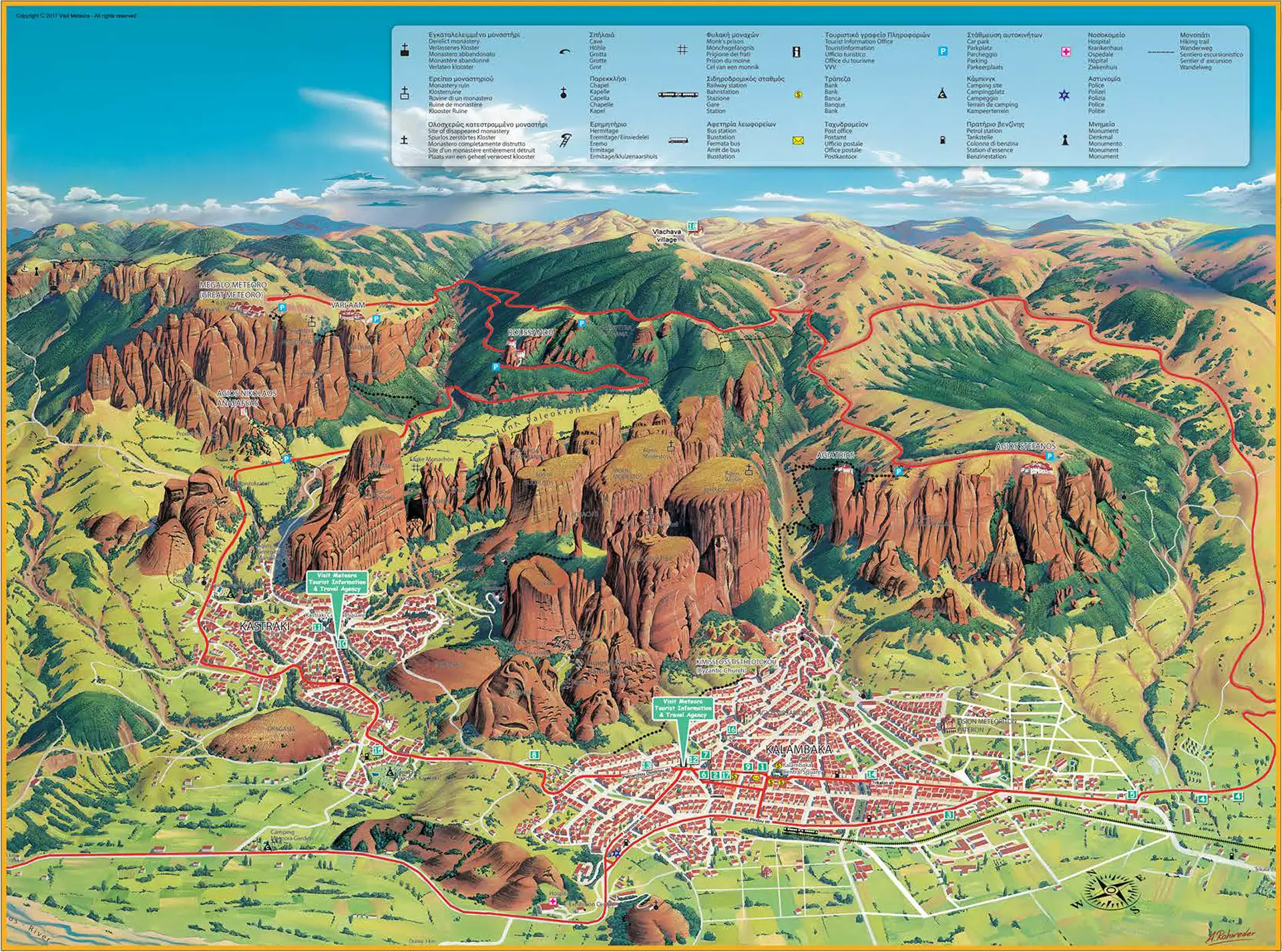
View the Complete Meteora Map
Map showing the location of the six active Meteora monasteries
Recommended Route Choose 2–3 monasteries and combine them with the main panoramic viewpoints.
Experience Meteora

Explore the Monasteries with a Local Guide

While independent visits are possible, joining a guided tour offers deeper insight into Meteora's history, monastic traditions and hidden viewpoints that many visitors would otherwise miss.

Meteora Half-Day Sightseeing Tour

Visit three active monasteries, enjoy panoramic viewpoints and discover the fascinating history of Meteora with an expert local guide.

  • ✓ Visit 3 Active Monasteries
  • ✓ Local Expert Guide
  • ✓ Panoramic Viewpoints
  • ✓ Small Groups
View Tour

Meteora Hiking Tour

Follow ancient footpaths through the rock forest while exploring hidden monasteries, forgotten hermit trails and breathtaking viewpoints with a local hiking guide.

  • ✓ Hidden Ruined Monasteries
  • ✓ Secret Viewpoints
  • ✓ Ancient Hermit Trails
  • ✓ Local Hiking Guide
View Tour
Before You Go

Essential Tips for Visiting the Meteora Monasteries

A little preparation will help you make the most of your visit while respecting the monasteries and enjoying the unique landscape comfortably.

👟

Wear Comfortable Shoes

Expect to climb many steps. Comfortable walking shoes with good grip are highly recommended.

💶

Carry Cash

Entrance fees are paid individually at each monastery and cash is the preferred payment method.

👕

Respect the Dress Code

Bring clothing that covers shoulders and knees. Skirts are available at some monasteries, but it's always best to come prepared.

🚗

Start Early

Visiting before late morning helps avoid traffic, parking difficulties and the busiest crowds.

📸

Photography

Feel free to photograph the breathtaking scenery, but always respect signs regarding photography inside churches.

🚌

Join a Local Tour

Guided tours save time, eliminate parking concerns and reveal hidden places and stories that most visitors never discover.

Local Recommendation

Less is More.

Instead of trying to visit all six monasteries in one day, combine 2–3 monasteries with panoramic viewpoints, hidden hermit caves and time to simply enjoy the landscape.

Find Your Perfect Tour
Frequently Asked Questions

FAQs About the Meteora Monasteries

Everything you need to know before planning your visit to one of Greece's most extraordinary UNESCO World Heritage Sites.

How many monasteries can you visit in one day?

Most visitors comfortably visit 2–3 monasteries in one day while still having enough time to enjoy the panoramic viewpoints and explore the surrounding landscape. Trying to visit all six usually feels rushed.

Which Meteora monastery is the best to visit?

Great Meteoron is the largest and most historic monastery, Varlaam offers spectacular architecture, St. Stephen is the easiest to access, while Holy Trinity provides one of the most iconic viewpoints in Greece.

What is the entrance fee for the monasteries?

The entrance fee is currently €5 per monastery. Tickets are purchased individually at each monastery and cash is recommended.

What should I wear when visiting Meteora?

Visitors must dress modestly. Men should wear long trousers, while women should wear skirts below the knee and cover their shoulders. Some monasteries provide wrap skirts at the entrance if needed.

Can I visit the monasteries without a tour?

Yes. You can visit independently by car or taxi. However, guided tours provide transportation, local insight, hidden viewpoints and access to places that most independent visitors miss.

Which monastery is easiest to access?

St. Stephen Monastery is the most accessible because it is reached via a small bridge instead of a long staircase, making it the best choice for visitors with limited mobility.

Let Us Plan It For You

Skip the Planning. We'll Build Your Perfect Meteora Itinerary.

Instead of spending hours comparing monasteries, viewpoints, transportation and activities, let our local travel specialists create the perfect itinerary based on your interests, available time and travel style.

✓ Personalized recommendations
✓ Monasteries, viewpoints & hidden gems
✓ Hotels, transfers & activities
✓ Local experts with 15+ years of experience