Rising boldly above the forested slopes near Kastraki, the Rock of the Great Saint (Agios) is a powerful symbol of Meteora’s ascetic origins. This massive rock pillar — still scarred with the signs of early hermit life — invites those who seek more than sightseeing. It offers solitude, raw beauty, and a direct connection to the monastic soul of Meteora.
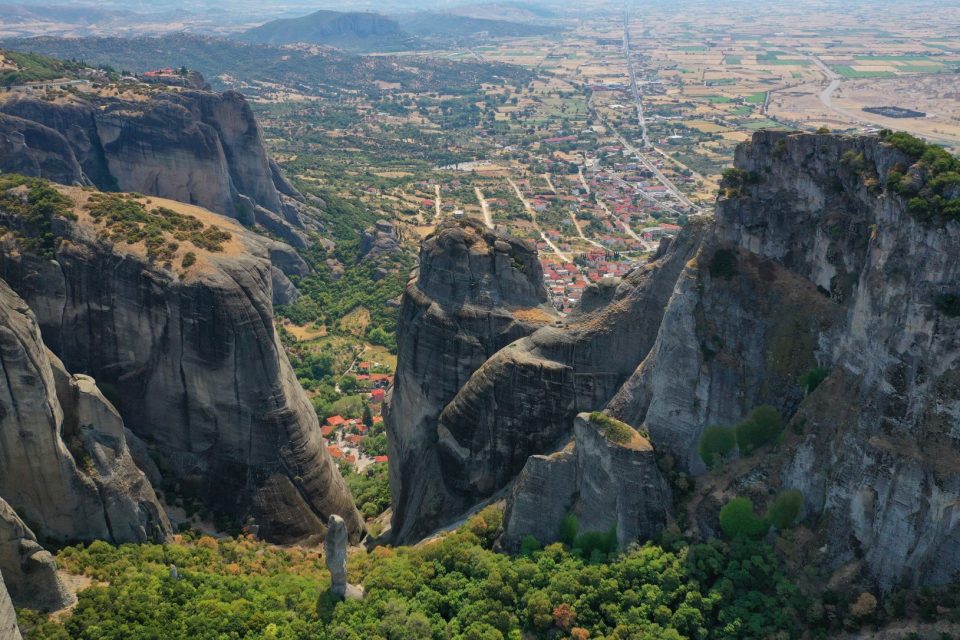
This is the highest of all Meteora cliffs, with a height of 630 m (1890 ft) above sea level. It rises above the modern town of Kalabaka. A path leading up to the tower of Aghia, meaning “Great Saint” starts from the old quarters of the village Kastraki.
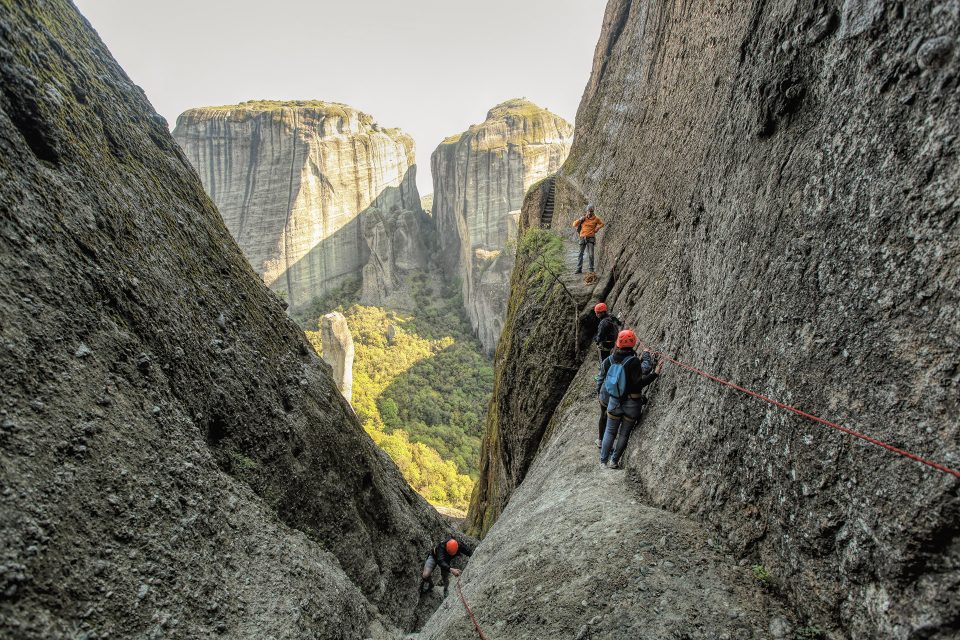
The ruins of an ancient tower are located on the peak of a rock called Aghia and played an important role as a safe place for the locals. Later on, the first monks also used this massive cliff to settle on top. Today, this hidden trail has become an amazing hiking experience. It’s quite a challenge and of a great adventure that appeals mostly to active individuals with good fitness levels.
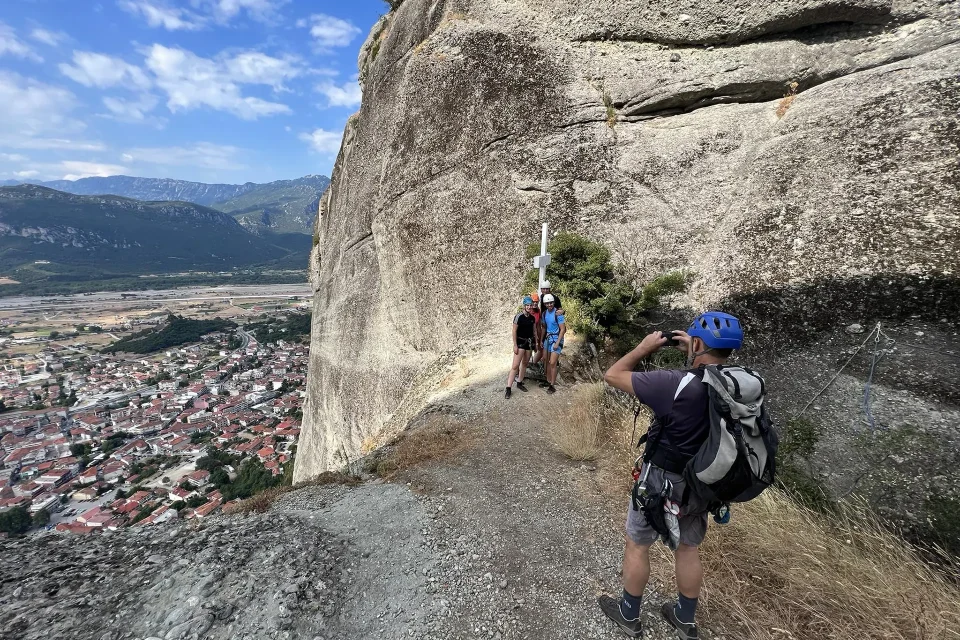
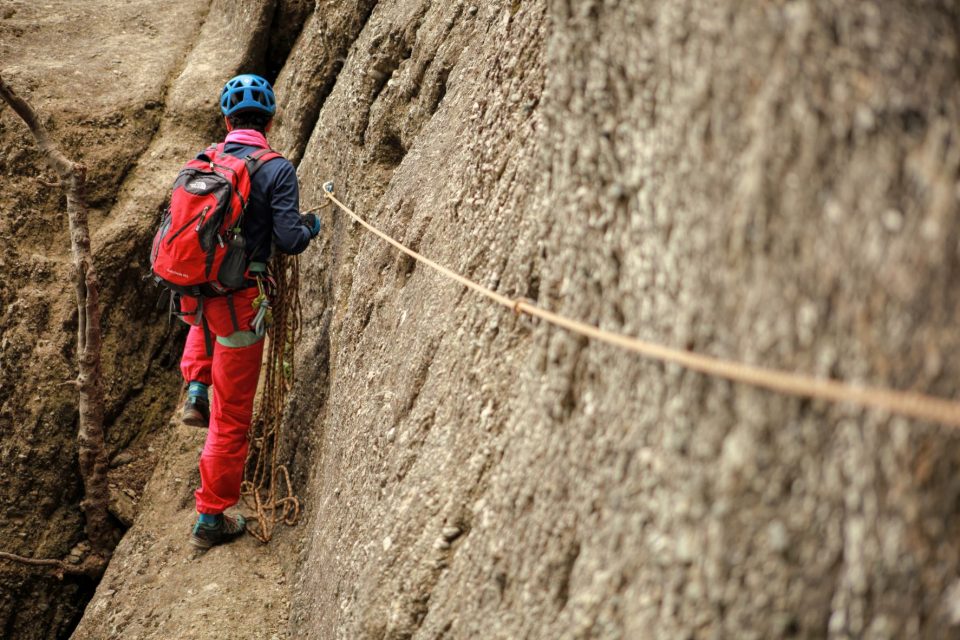
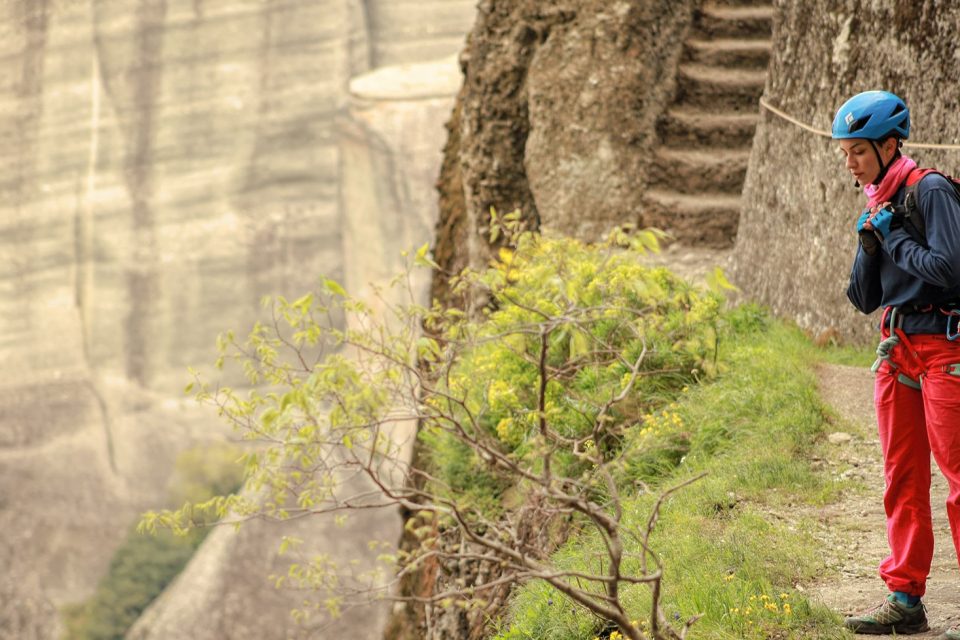
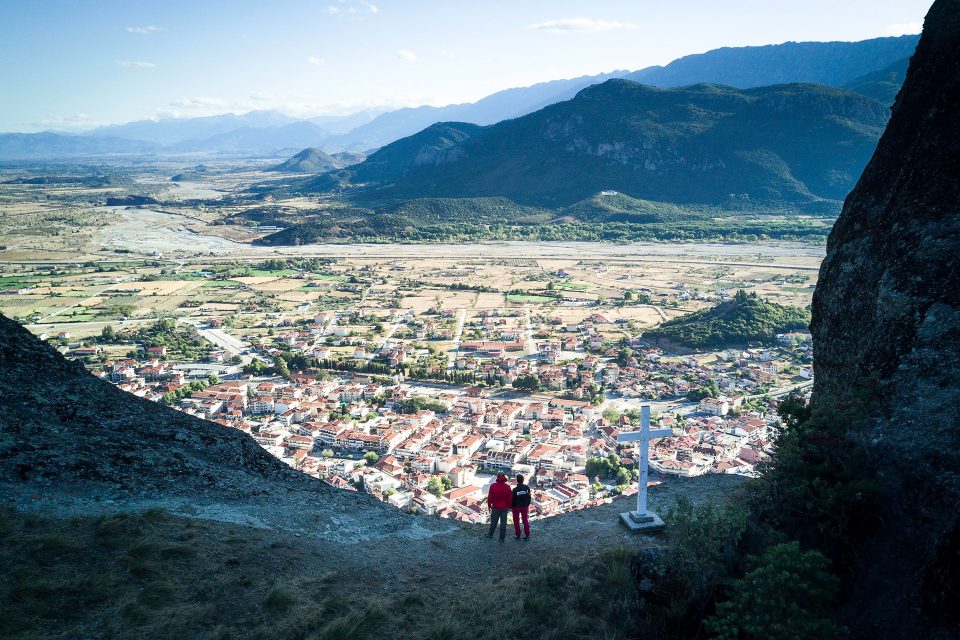
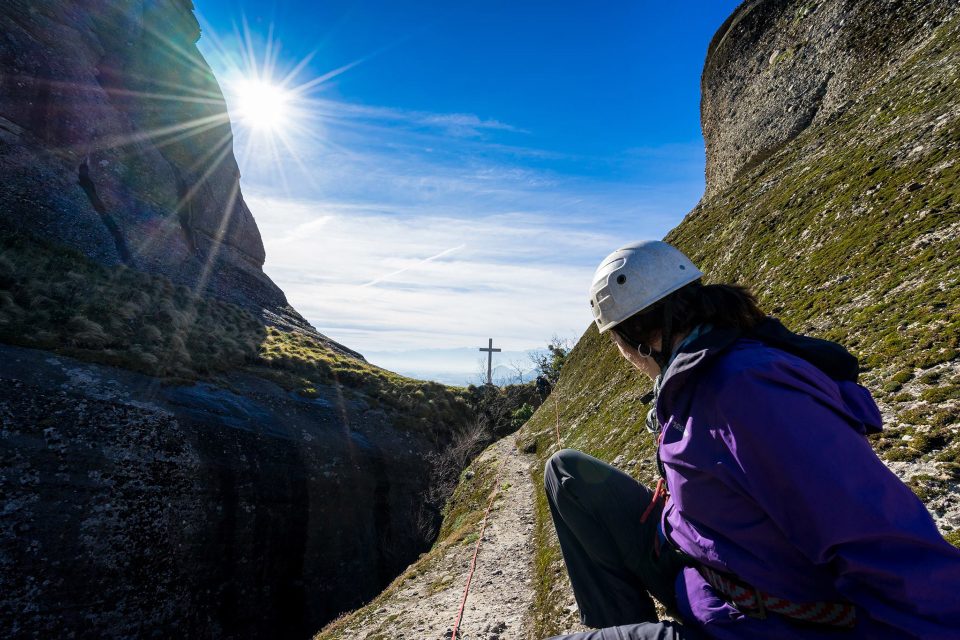
Because of its high difficulty, for safety reasons, it is not recommended without a guide. On the way to the top one passes by the bizarre-looking rock of Adrachti, then proceeds to walk on the rock-carved steps and encounters the rock-carved cisterns before reaching the spot in which a white cross has been placed.
The tower of Aghia initially served as a local “acropolis” during the classical period, a naturally formed impregnable position. When the Ottomans arrived in the 15th century they renamed our town from its strong defensive position and gave its present-day name Kalampaka. The modern name of the town is a minor deviation of the Turkish words Kale-bak meaning prestigious castle.
Did you know? The Rock of the Great Saint stands in silent witness over a region that once shaped the fate of ancient Greece. Just beyond Meteora, in ancient Aiginion (modern-day Kalambaka), the decisive Battle of 168 BC unfolded — ending the 3rd Macedonian War and ushering Roman control into the region. As you gaze from this monastic rock into the valley below, you’re also looking upon the very plains where history changed forever.
Read the full story → The Fall of Aiginion and the 3rd Macedonian War
Best time to avoid crowds
The Rock of the Great Saint is already off the beaten path, so it is usually quieter than the main monastery route. Go early in the morning for cooler temperatures and clearer views, especially if you plan to hike or scramble. Avoid very hot midday hours, strong wind, and rainy conditions.
Best nearby monastery to combine with the Rock of the Great Saint
Combine it with Holy Trinity Monastery or St. Stephen’s Monastery. The Rock of the Great Saint rises above Kalambaka and works well with landmarks on the eastern side of Meteora, especially if you want a route focused on views, hiking, and the dramatic skyline above town.
Photography tip
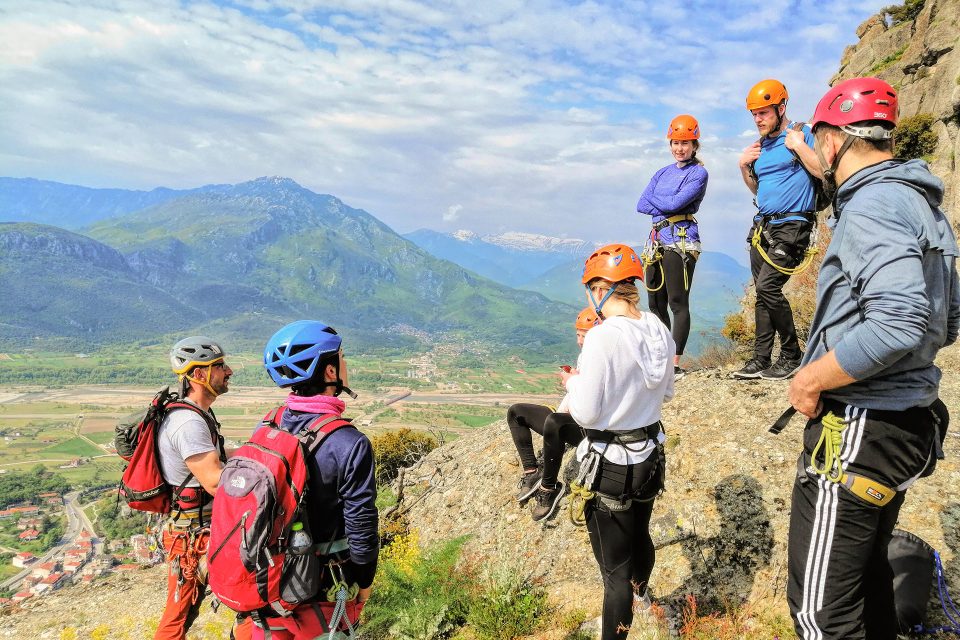
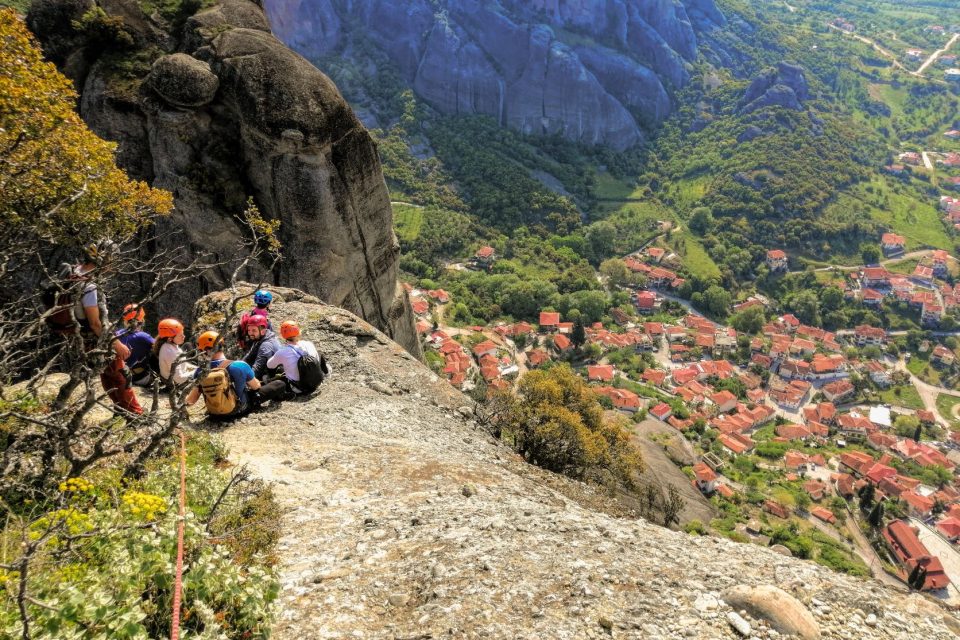
This is one of the best Meteora spots for wide panoramic photos. From higher points on the route, you can capture Kalambaka, the Thessalian plain, and the surrounding rock forest. A wide lens is useful for landscapes, while a zoom lens helps isolate monasteries and rock formations in the distance.
Parking / access tip
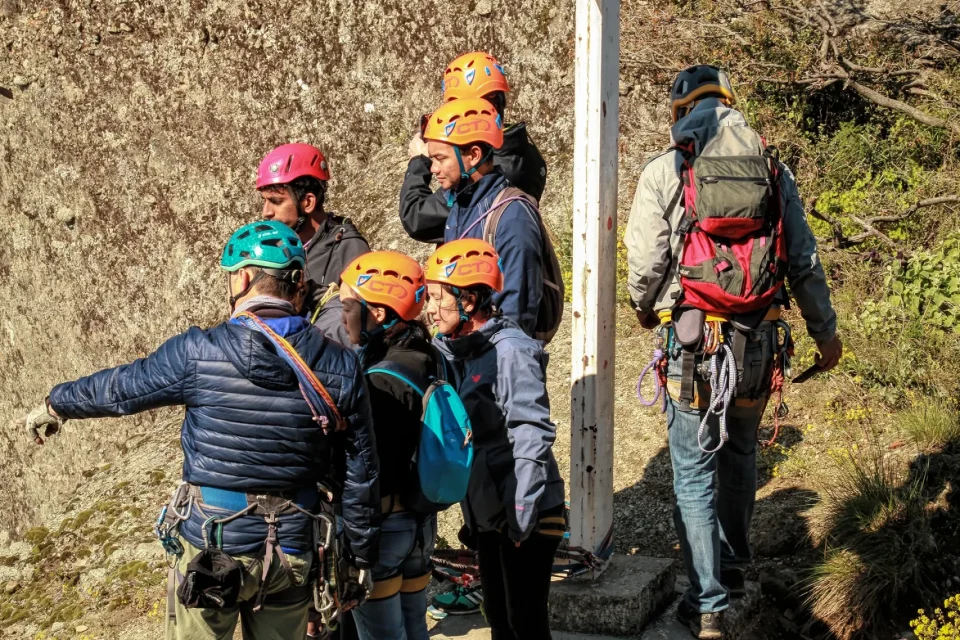
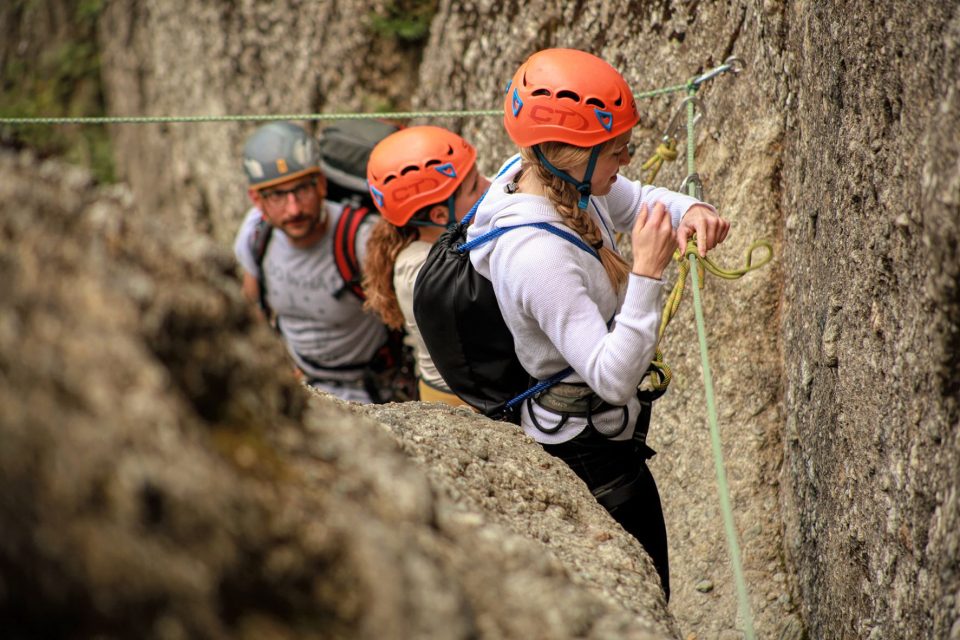
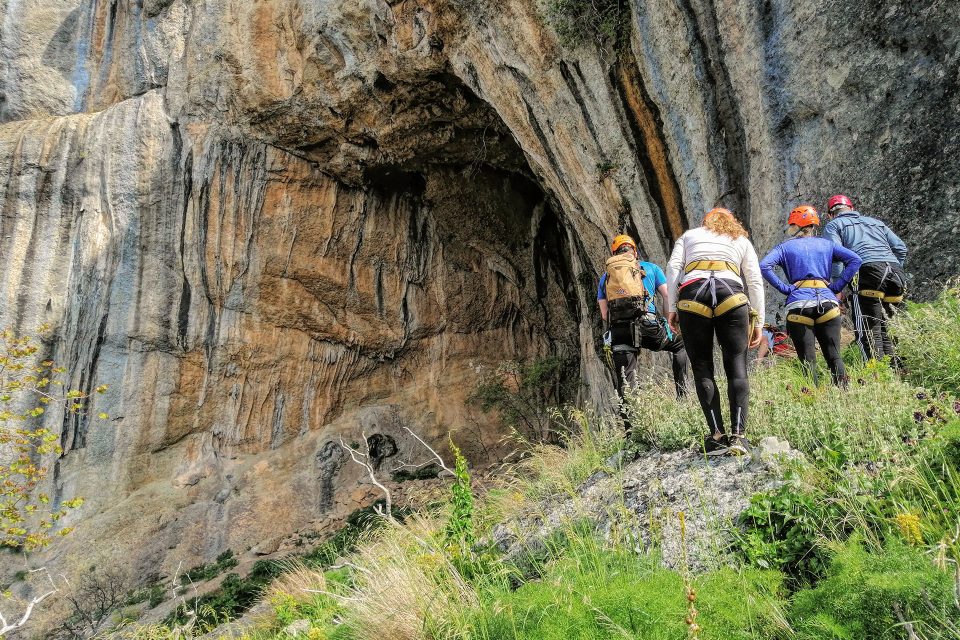
This is not a simple roadside stop or standard monastery visit. The route is more adventurous and may include steep paths, scrambling sections, and exposed areas; guided tours often use safety equipment such as helmets and harnesses. Wear proper hiking shoes, carry water, and only attempt the higher sections if you are comfortable with rough terrain.
A: No — it’s not one of the six active monasteries. It is a hermitic site, possibly once used as a monk’s dwelling and spiritual retreat. There may have been a small chapel or shelter at its summit.
A: Yes, though the trails are not always clearly marked. We recommend joining a hiking tour for a safer and more informative experience.
A: There’s no formal gate or entry — it’s a natural heritage site in open terrain. Visitors should respect the environment and its spiritual past.