Fact: For pilgrims, it’s sacred. For hikers, it’s an unforgettable view.
Ideal for: Photographers, Hikers, Pilgrims, Spiritual travelers, Families with teens or active kids
Before the cliffs of Meteora became home to towering monasteries, the Rock of the Holy Spirit (Agio Pnevma) served as a sanctuary for hermits and monks seeking divine solitude. Today, it remains a place of mystery, prayer, and awe-inspiring views — perfect for hikers, photographers, and anyone looking to trace Meteora’s spiritual roots.
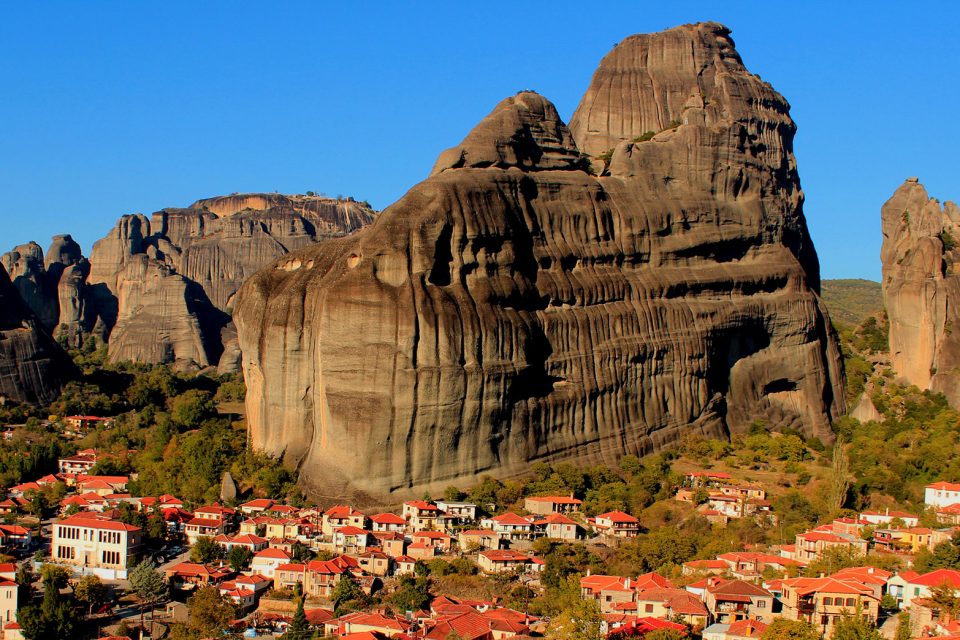
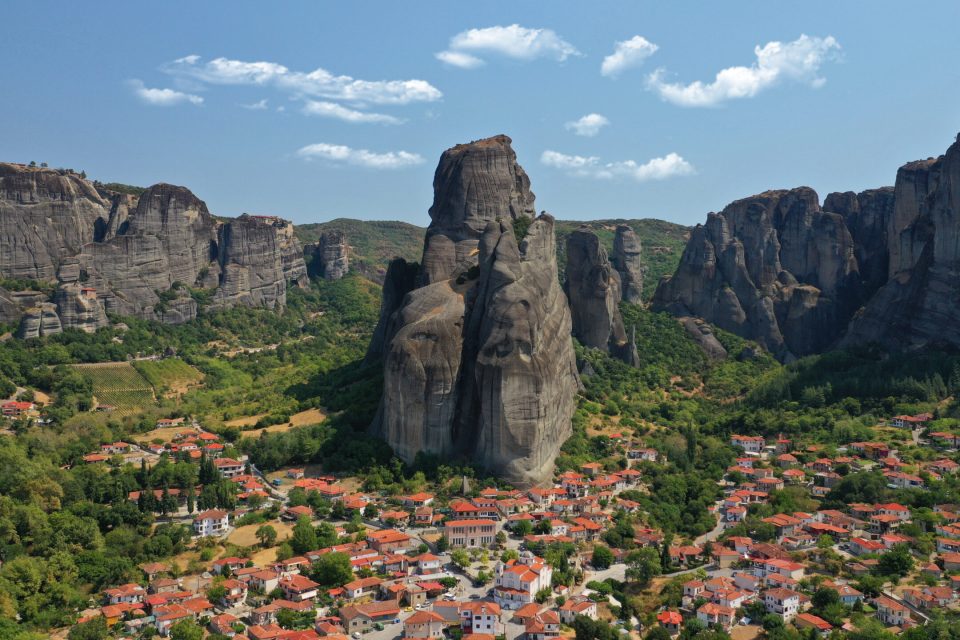
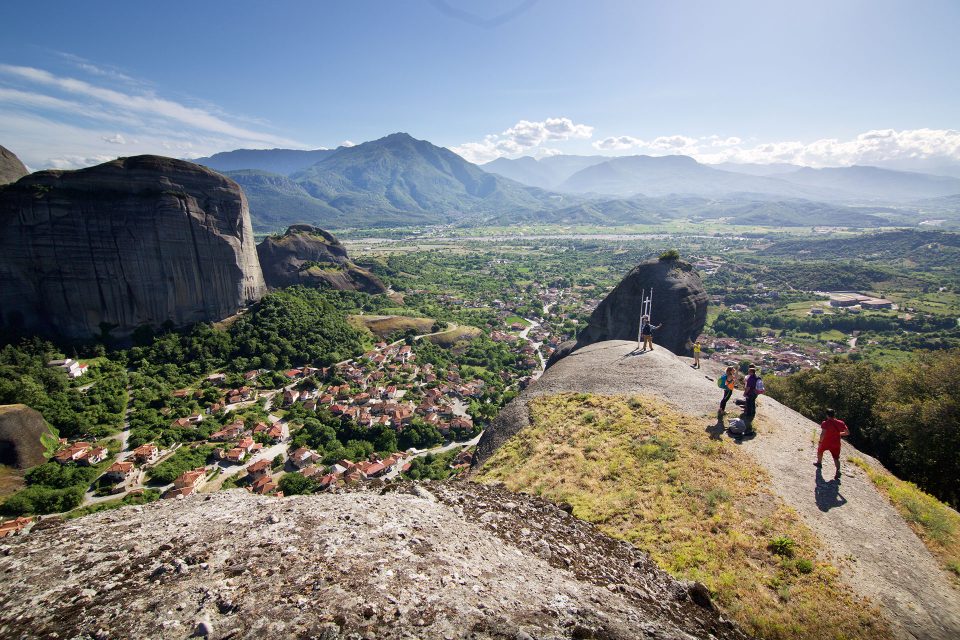
The rock of Aghio Pnevma (Holy Spirit) is located in the middle of the narrow valley that extends from the central square of the village of Kastraki towards the vast rock complex of Meteora.
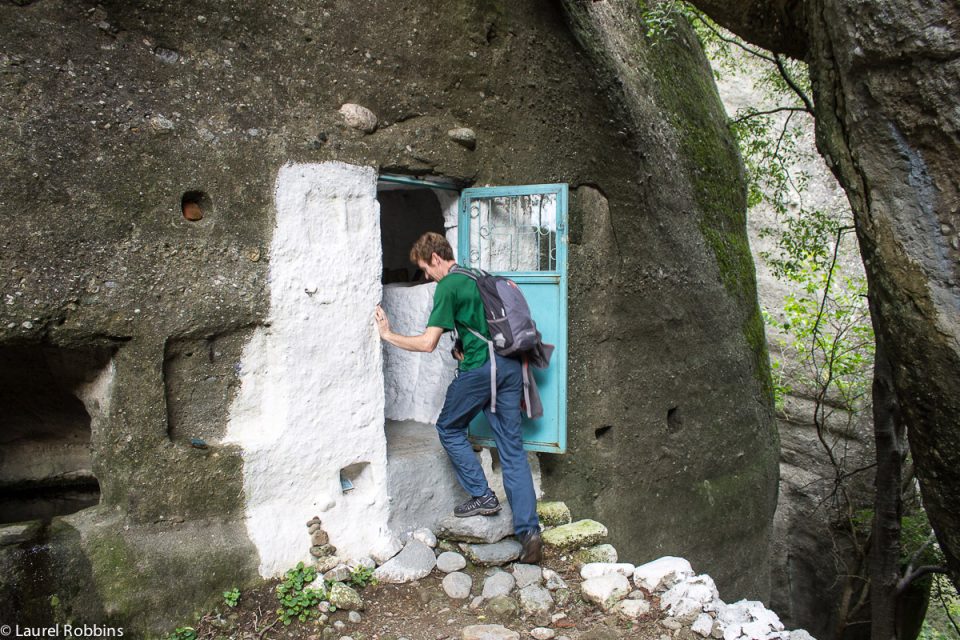
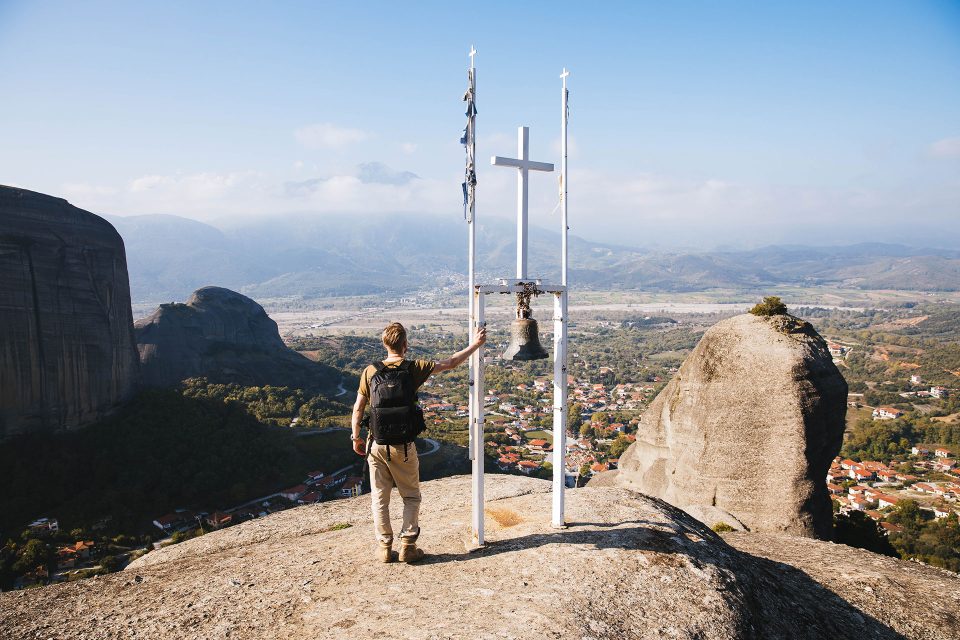
On its top, a plateau is formed where a small chapel dedicated to the Holy Spirit was once erected. This tiny monastery was the oldest one in the region of Meteora, dating back to the 10th century. The long-shaped caves on the north side of this same rock, as seen from the side of the main road where scaffolding is still visible inside, indicate the spot served as a place of punishment where the monks of Meteora were expelled over the previous centuries. The view from the top of the cliff is absolutely breath-taking. Religious ceremonies are often held on the rock of Aghio Pnevma when locals celebrate “Holy Ghost” day.
Considered a holy site by locals; still used for occasional blessings or feasts
Echoes the ascetic lifestyle that gave birth to Meteora’s spiritual evolution
A perfect pilgrimage point for those seeking a quieter, rawer connection to the divine
“This is where Meteora began — not with stone walls, but with faith carved into rock.”
Best time to avoid crowds
The Rock of the Holy Spirit is usually much quieter than the main monasteries, but early morning is the best time to visit if you want cooler temperatures and a peaceful atmosphere. Late afternoon is also beautiful, especially when the light warms the surrounding rocks above Kastraki.
Best nearby monastery to combine with the Rock of the Holy Spirit
Combine it with Agios Nikolaos Anapafsas Monastery, the old chapel of Doupiani, or the Hermit Caves of Badovas. This area works very well as a Kastraki-side route focused on Meteora’s older hermit sites and lesser-known religious landmarks.
Photography tip
Photograph the rock from a distance first, using Kastraki village and the surrounding cliffs to show its scale. If you hike closer, look for compositions that include the small chapel and the dramatic vertical rock face, rather than only close-up details.
Parking / access tip
Access is usually on foot from the Kastraki side, and the route can be rocky, uneven, and exposed in places. Wear proper walking shoes, carry water, and avoid the climb during very hot weather or after rain. It is more of a hiking and viewpoint experience than a simple roadside stop.
A: Yes — it’s freely accessible via hiking trail from Kastraki. There is no entry fee or schedule, but the hike should be done during daylight hours only.
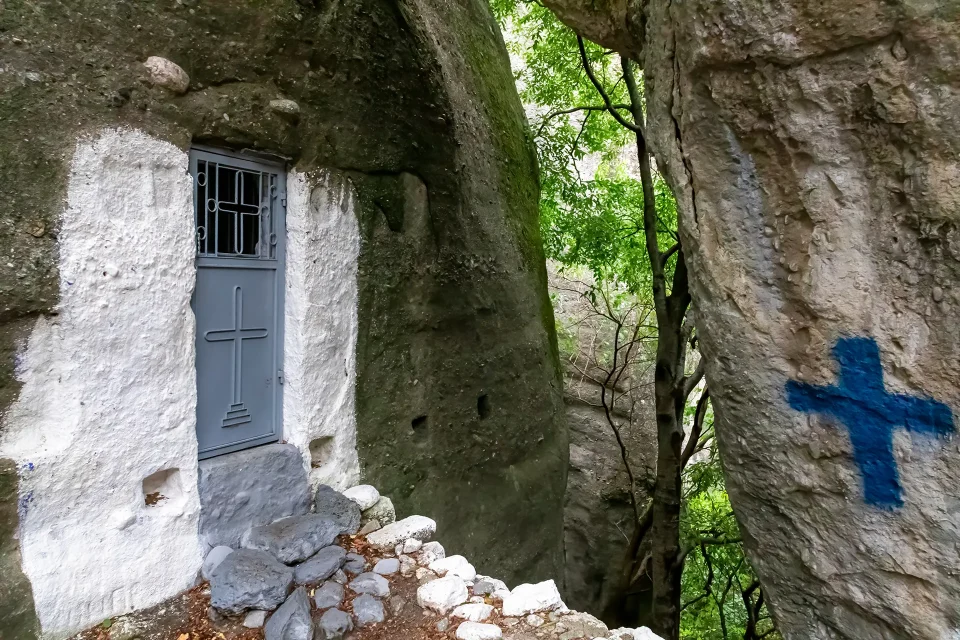
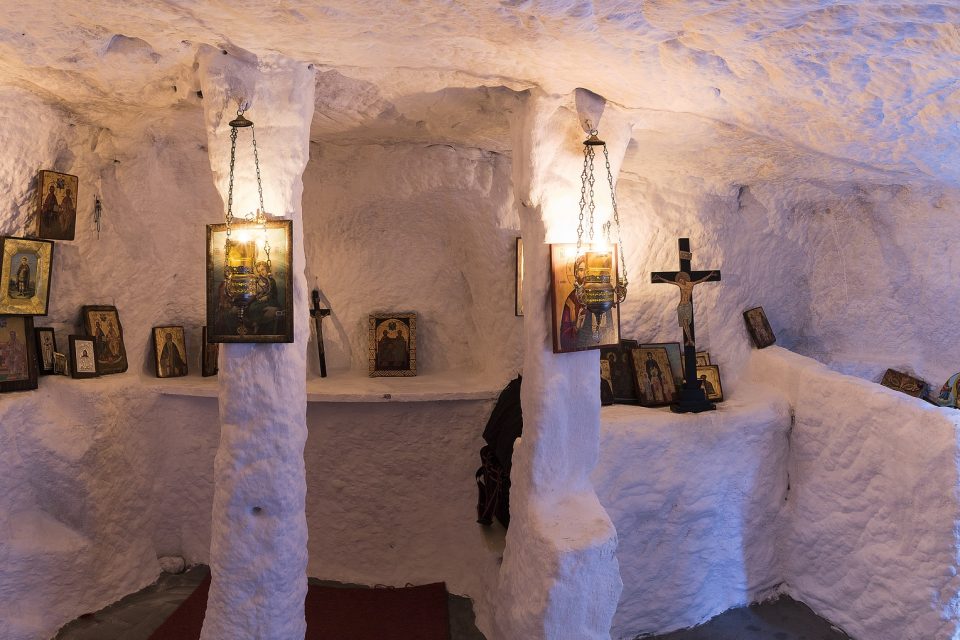
A: Yes — a small carved chapel dedicated to the Holy Spirit still exists inside the rock face, though it’s partially ruined. It is considered sacred and should be treated with respect.
A: Yes, but it’s recommended to go with a guide if you’re unfamiliar with the trail or want to combine the visit with other historic landmarks.